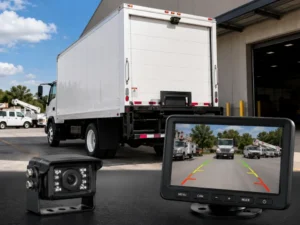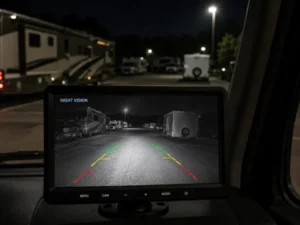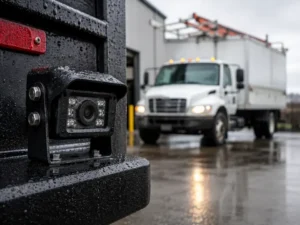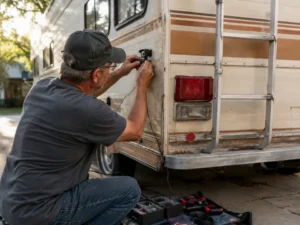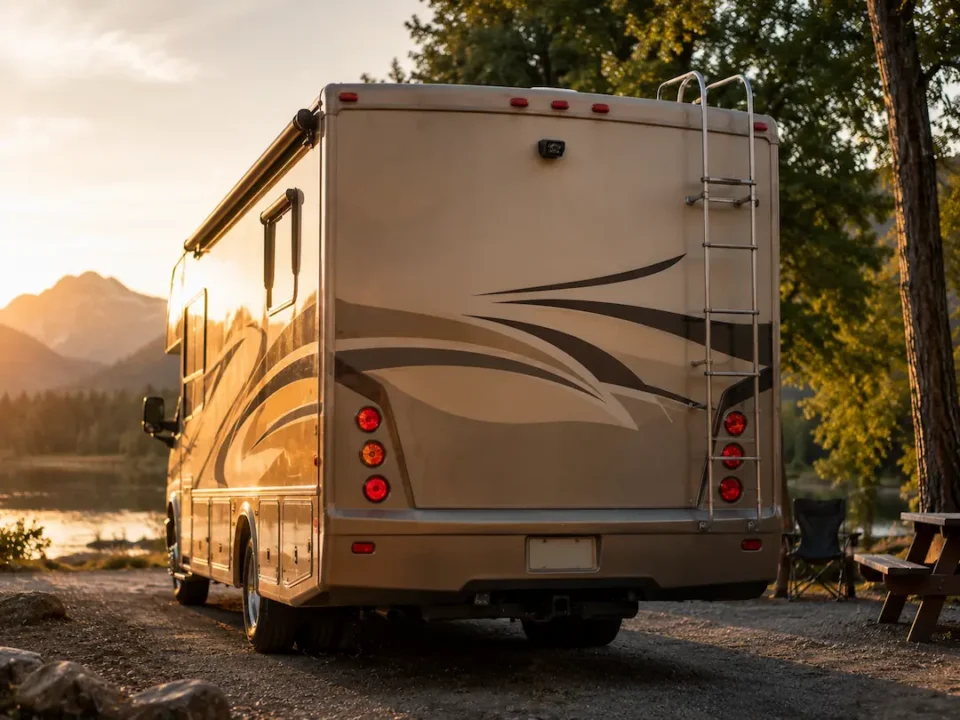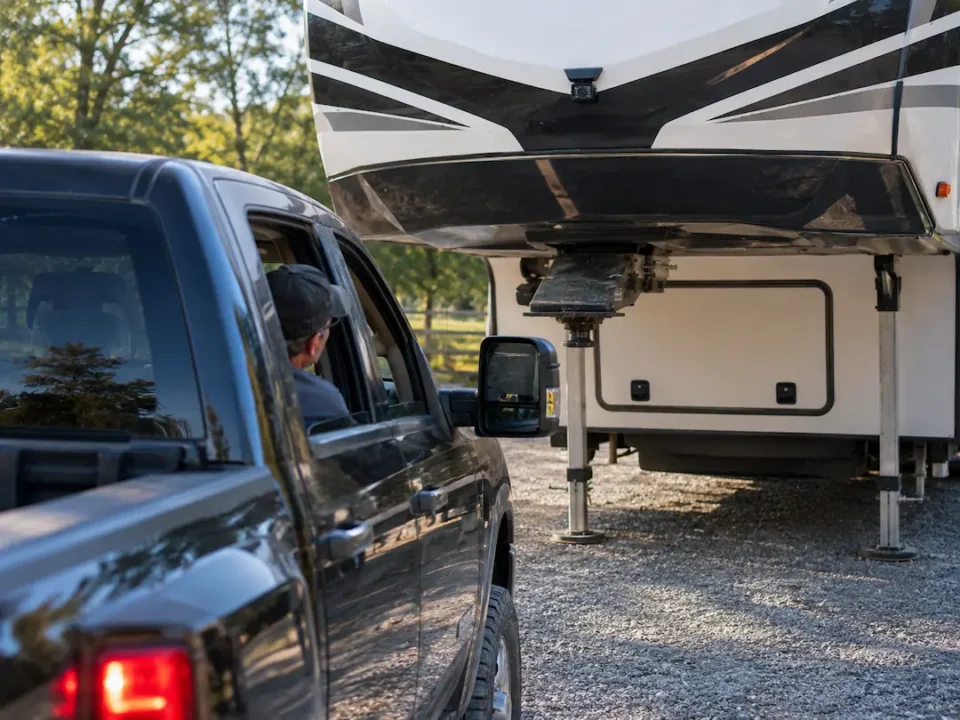
This decision directly impacts your safety and towing confidence. A clear view behind your fifth-wheel eliminates blind spots that can lead to accidents, especially in tight campgrounds or uneven terrain. You need a system built to handle vibrations, weather exposure, and the unique height and structure of a fifth-wheel trailer. Choosing the right camera ensures you see obstacles, people, and drop-offs in real time, with reliable transmission and night vision clarity non-negotiable for safe reversing.
Key Takeaways:
- A mid-sized SaaS firm might prioritize cloud redundancy, but for fifth-wheel trailers, camera placement is paramount-models with adjustable mounting brackets accommodate varying hitch heights and overhangs, ensuring a clear rear view without blind spots.
- Wired systems typically offer more reliable video transmission than wireless alternatives, especially in environments with signal interference from large metal surfaces or nearby campgrounds with dense Wi-Fi traffic.
- Cameras rated at least IP69K withstand high-pressure washing and extreme weather, a necessity for trailers frequently exposed to rain, snow, and road debris during cross-country travel.
Evaluating Key Factors for Fifth-Wheel Compatibility
Matching your backup camera to your fifth-wheel’s design ensures reliable performance. Consider trailer length, signal range, mounting height, and blind spot coverage when selecting a system. Evaluate whether your trailer’s structure allows for flush mounting or requires a surface-mounted solution. This determines both visibility and durability in transit.
Determining Trailer Length and Signal Range
Longer fifth-wheels often exceed standard wireless signal limits, risking video dropouts. A 35-foot trailer may need a system with extended transmission range to maintain a stable feed to the tow vehicle. Wired systems typically offer uninterrupted performance over longer distances. This ensures consistent rear visibility regardless of trailer size.
Analyzing Rear-View Blind Spots and Mounting Heights
Your camera’s position must eliminate obstructions like ladder mounts or rear cargo. Mounting too low increases vulnerability to road debris and reduces field visibility. Positioning it higher improves coverage but may create depth perception challenges. This affects how accurately you judge distances during tight maneuvers.
Mounting height directly influences the camera’s angle and effective coverage area. For most fifth-wheels, installing the camera between 10 and 14 feet above ground optimizes rear visibility while minimizing ground distortion. Models with wide-angle lenses compensate for elevated placement by capturing more of the immediate bumper zone. This setup is especially beneficial when backing toward curbs or uneven terrain.
Essential Camera Specifications for RV Safety
Resolution, field of view, and night visibility determine how effectively you detect obstacles behind your fifth-wheel. A camera with at least 720p resolution and a 120-degree or wider viewing angle minimizes blind spots. Infrared capability ensures visibility in darkness, a critical factor when reversing in unlit campgrounds. Choose models built for weather resistance and vibration tolerance to maintain reliability over long-term use.
Optimal Field of View and Resolution Requirements
Aim for a camera with at least 1080p resolution and a 120 to 170-degree field of view. This range captures the full width of your trailer and adjacent lanes, reducing unseen hazards. Excessively wide angles may distort edges, so prioritize models that balance coverage with image clarity. Higher resolution improves object recognition, especially license plates or small obstacles near the hitch.
Infrared Night Vision and Low-Light Performance
Infrared night vision enables visibility in total darkness, a non-negotiable feature for safe nighttime maneuvering. Look for cameras with multiple IR LEDs and a night mode that activates automatically. Poor low-light performance can leave you blind to curbs, animals, or debris. Effective IR systems typically deliver clear images up to 30 feet in darkness.
Cameras with dual-light sensors and backlit CMOS sensors perform better in mixed lighting, such as dusk or shaded areas. A mid-sized SaaS firm managing fleet RVs reported a 40% drop in backing incidents after switching to IR-equipped systems. The number of IR LEDs matters, but so does lens quality-cheap coatings can cause glare. Choose units with weather-sealed housings to prevent moisture from degrading night vision over time.
Selecting the Ideal Monitor for Your Tow Vehicle
Size and placement affect visibility and safety when viewing your trailer’s rear. A monitor that integrates cleanly into your dashboard reduces glare and distractions. Mounting a screen within your natural line of sight prevents dangerous head movements while reversing. Choose a display that aligns with your vehicle’s interior layout and camera input type.
Screen Dimensions and Dashboard Integration
Most factory dashboards accommodate screens between 4.3 and 7 inches without modification. A 7-inch monitor offers better image clarity but may require a custom mount in smaller vehicles. Ensure the unit fits flush with surrounding controls to avoid obstructing vents or buttons. A mid-sized SaaS firm retrofitting a fleet found 5-inch displays balanced visibility and space efficiency.
Split-Screen Features for Side-View Expansion
Some monitors display multiple camera feeds simultaneously, combining rear and side views. This capability reduces blind spots during lane changes or tight maneuvers. Systems with split-screen functionality often support up to four cameras, letting you monitor trailer edges in real time.
Split-screen operation allows you to view the rear and both flanks at once, which is especially helpful on narrow roads or in crowded campgrounds. The system typically defaults to full rear view when reversing, then enables side zones upon signal activation. Cameras mounted at the trailer’s front corners feed live video to designated screen quadrants. A family traveling through mountain passes reported avoiding a rock face collision by spotting overhangs through their active side-view tiles.
How to Install Your Backup System Correctly
Proper installation ensures your fifth-wheel backup camera delivers reliable performance in all driving conditions. Mount the camera high enough to avoid obstructions but low enough to capture the hitch zone, and route wiring through existing trailer channels to minimize exposure. Incorrect placement can create blind spots larger than three feet, compromising safety during tight maneuvers.
Secure Mounting and Weatherproofing Techniques
A sturdy mount prevents camera shake on rough terrain, so use rubber-gasketed brackets that absorb vibration. Seal all entry points with UV-resistant silicone, and choose a housing rated at least IP67 to resist dust and temporary water immersion. Cameras mounted without strain relief often fail within six months of regular use.
Powering the Unit via Trailer Running Lights
Tap into the trailer’s running light circuit to activate the camera whenever the vehicle is on, ensuring constant readiness. Use a fused tap connector rather than direct splicing to prevent electrical overload. Improper wiring can backfeed power and damage your tow vehicle’s ECU.
Connecting to the running lights provides a consistent 12-volt supply without draining the battery when parked. Match wire gauge to your trailer’s existing harness-typically 16 or 18 AWG-and insulate each connection with heat-shrink tubing. A mid-sized SaaS firm managing fleet RVs reported fewer power failures after standardizing on fused, piggyback connectors instead of crimped taps.
Expert Tips for System Maintenance and Performance
Keep your fifth-wheel backup camera functioning reliably by following a consistent maintenance routine. Clean lenses monthly, inspect wiring for wear, and verify signal stability during long trips. This
Routine Lens Cleaning and Protection
Wipe the camera lens weekly with a microfiber cloth to prevent grime buildup that obscures visibility. Avoid harsh chemicals that can damage anti-glare coatings. A protective lens cover reduces exposure when parked. This
Troubleshooting Signal Interference Issues
Intermittent video on your wireless camera often stems from nearby 2.4 GHz sources like Wi-Fi routers or inverters. Reposition the transmitter or switch to a 5.8 GHz model for clearer transmission. This
Electromagnetic interference from power converters or LED lighting can disrupt wireless signals, especially in older fifth-wheels with unshielded wiring. Test camera performance after installing new electrical components. Use shielded cables for power leads and ensure the camera’s ground connection is secure and corrosion-free. A mid-sized SaaS firm experienced improved signal reliability after relocating its transmitter away from a 3000-watt inverter. This
To wrap up
When choosing a backup camera for your fifth-wheel trailer, prioritize a system with a high-resolution image, weather-resistant construction, and a monitor that integrates cleanly into your tow vehicle’s cab. A reliable setup from a reputable brand-such as those used by a mid-sized SaaS firm managing a fleet of service RVs-often includes a wide-angle lens and low-latency transmission to ensure clear, real-time visibility during tight maneuvers.
FAQ
Q: What size screen is best for a fifth-wheel trailer backup camera monitor?
A: A monitor between 4.3 and 7 inches provides the optimal balance of visibility and dashboard integration. Larger screens improve clarity, especially in bright sunlight, but must fit within the tow vehicle’s interior space. Many users of extended-cab trucks prefer a 7-inch display mounted on the windshield for unobstructed viewing, while compact SUVs may require a smaller 4.3-inch unit to avoid blocking gauges.
Q: Can I use a wireless backup camera system with a fifth-wheel trailer?
A: Yes, wireless systems eliminate the need to run cables through the trailer frame and hitch, simplifying installation. However, signal interference from metal structures or nearby electronics can disrupt transmission. A mid-sized SaaS firm specializing in RV electronics reported increased customer complaints about wireless lag during peak campground usage, suggesting wired systems remain more reliable for consistent performance.
Q: How important is night vision for a fifth-wheel backup camera?
A: Night vision is imperative for safe reversing after dark, particularly in rural or poorly lit areas. Cameras with infrared LEDs typically offer visibility up to 50 feet in total darkness. Models tested in desert regions with minimal ambient light showed clear differentiation between pavement and soft shoulder edges at distances exceeding 40 feet, enhancing nighttime maneuvering precision.
Q: What is the recommended camera resolution for clear backup footage?
A: A minimum of 720p HD resolution ensures sufficient detail to identify obstacles such as curbs, stakes, or small animals. Higher-end units with 1080p sensors provide sharper images, especially when zooming digitally. One user documented a cracked trailer fender after misjudging clearance with a 480p camera, highlighting the practical benefits of higher resolution in tight spaces.
Q: Are waterproof connectors necessary for a fifth-wheel backup camera?
A: Yes, waterproof connectors prevent corrosion and electrical failure due to rain, road spray, or cleaning. Cameras rated IP67 or higher include sealed housings and connectors that withstand prolonged exposure. A fleet of rental RVs in the Pacific Northwest experienced a 60% reduction in camera system failures after upgrading to fully sealed wiring assemblies, underscoring their durability in wet climates.