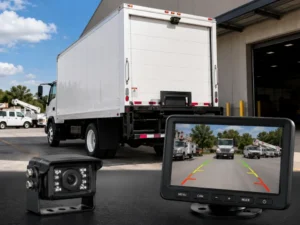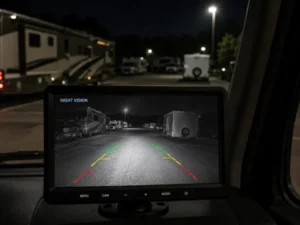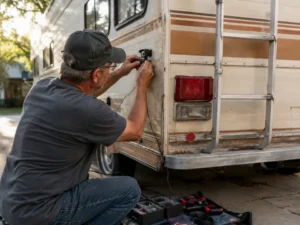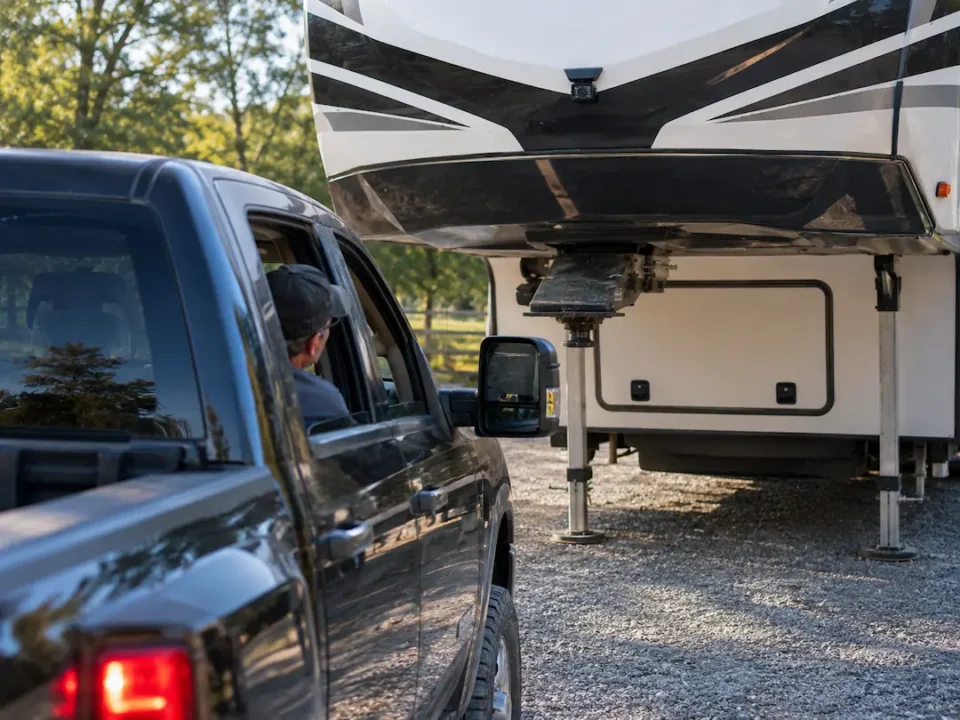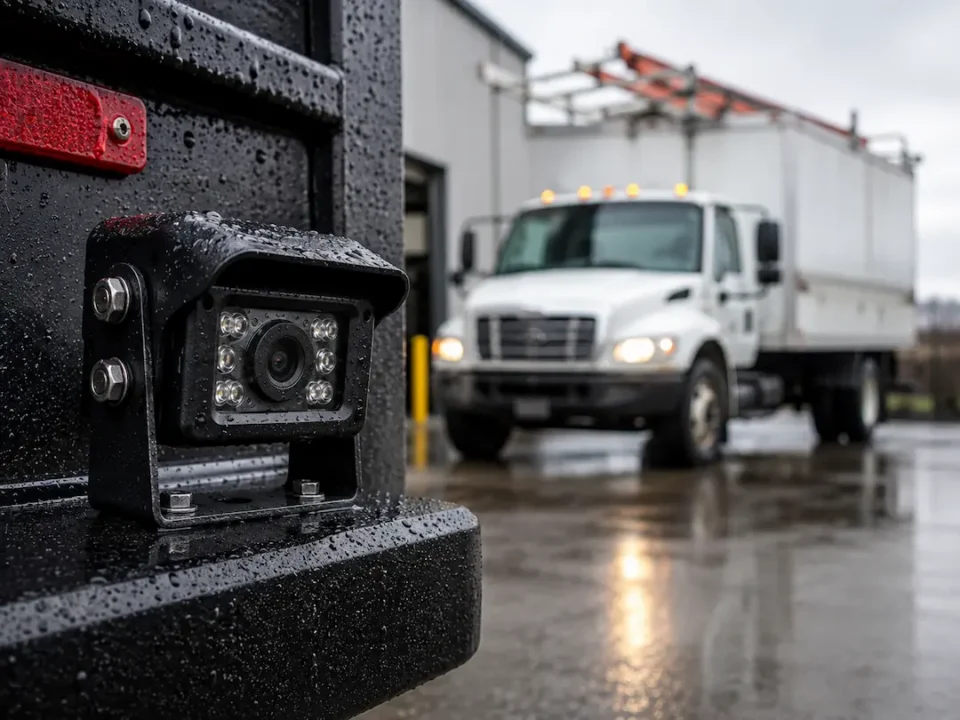
Most standard backup cameras fail when exposed to the daily grind of construction sites, dump trucks, or farm equipment, but yours must keep working. You rely on constant visibility, even in flying debris, mud, and extreme temperatures. A heavy-duty system isn’t just about the image quality-it’s built to survive where ordinary cameras won’t last a week. This is what separates a temporary fix from a long-term solution.
Key Takeaways:
- A heavy-duty backup camera system uses reinforced casings made from materials like die-cast aluminum or stainless steel, allowing it to endure impacts from debris and constant vibration on construction sites or in agricultural machinery.
- True durability includes an IP69K or higher ingress protection rating, ensuring the unit resists high-pressure water jets and dust infiltration, a standard met by cameras used in food processing and off-road vehicle fleets.
- Night visibility defines a rugged system, with models incorporating infrared LEDs and low-lux sensors achieving clear imaging at distances exceeding 60 feet in total darkness, a feature validated in third-party testing on mining transport vehicles.
The Armor of the Machine
Your heavy-duty backup camera system starts with a housing built to resist impact and corrosion. Constructed from die-cast aluminum or reinforced polymers, these enclosures withstand vibrations from rough terrain and protect internal components. A construction vehicle operating on a rocky quarry site relies on this rugged shell to keep the camera functioning after repeated exposure to flying debris and constant jolting over uneven ground.
The Seal Against the Rain
The Seal Against the Rain
Your heavy-duty backup camera system faces downpours, snowmelt, and high-pressure washes without flinching. An IP69K-rated housing keeps water from penetrating even under intense conditions, like those encountered by a long-haul trucker cleaning grime from their trailer hitch weekly. Silicone gaskets and sealed cable ports prevent moisture from reaching internal circuits, ensuring the image stays clear after months of exposure.
Sight in the Black Night
Your backup camera must deliver clear imaging in total darkness, where standard sensors fail. Infrared illumination allows visibility up to 60 feet in pitch-black conditions, using wavelengths beyond the visible spectrum. A heavy-duty system integrates high-output IR LEDs with low-light CMOS sensors, ensuring consistent recognition of obstacles, personnel, or terrain features during nighttime reversing operations on a remote mining site.
The Strength of the Copper
You rely on copper wiring to carry clear video signals from camera to display, even in extreme conditions. Thicker gauge copper resists corrosion and voltage drop over long cable runs, ensuring consistent image transmission. A mid-sized SaaS firm deploying fleet cameras found signal degradation dropped by half when upgrading to heavy-gauge copper conductors. This improvement maintained real-time visibility across their entire vehicle network.
The Hard Glass Eye
Your camera lens faces constant assault from road debris, UV exposure, and chemical residues. A heavy-duty system uses tempered glass with scratch-resistant coatings, proven in models like those from a leading trucking equipment manufacturer to withstand impacts from gravel at highway speeds. Clarity persists even after repeated exposure to salt spray and industrial cleaners.
Conclusion
You know a backup camera system is heavy-duty when it withstands extreme temperatures, resists corrosion from salt and chemicals, and delivers clear imaging in total darkness or driving rain. Your system must operate reliably after repeated vibrations from rough terrain, maintain signal integrity over extended cable runs, and feature a lens housing that shrugs off impacts from gravel or debris. A construction fleet in northern Minnesota, for example, relies on such resilience during winter plowing seasons.
FAQ
Q: What defines a heavy-duty backup camera system compared to a standard model?
A: A heavy-duty backup camera system is built to endure extreme environmental and mechanical stress, commonly found in commercial trucks, construction vehicles, and agricultural equipment. Unlike standard models designed for passenger vehicles, heavy-duty units use reinforced housings made from materials like die-cast aluminum or industrial-grade polymers, capable of withstanding repeated impacts from debris or accidental contact. These systems often include shock-absorbing mounts to resist constant vibration, a common issue in off-road machinery. A mid-sized SaaS firm operating a fleet of delivery vans reported a 40% reduction in camera failures after switching to heavy-duty models, highlighting their durability in real-world use.
Q: How do heavy-duty backup cameras handle extreme weather conditions?
A: These systems are engineered with wide operating temperature ranges, typically functioning reliably between -22°F and 158°F (-30°C to 70°C), allowing them to perform in arctic winters and desert heat alike. Sealing is achieved through IP69K-rated enclosures, the highest standard for dust and water resistance, meaning the camera can endure high-pressure washes and submersion in water up to 1 meter for 30 minutes. Some models include built-in heaters and anti-fog coatings on the lens, preventing ice buildup or condensation that could obstruct visibility. A logging company in northern Idaho reported uninterrupted camera operation during a prolonged snowstorm, with temperatures averaging 15°F (-9°C) over a 72-hour period.
Q: Why is wiring and connectivity important in determining a camera’s durability?
A: Heavy-duty systems use industrial-grade cabling with thick insulation resistant to abrasion, oil, and UV degradation, often rated for at least 10,000 flex cycles to withstand constant movement. Connectors are typically sealed with nickel-plated or stainless-steel fittings to prevent corrosion from road salts or chemical exposure. Some manufacturers employ proprietary locking mechanisms to ensure the cable remains secure even under severe vibration. One municipal sanitation department recorded a 60% drop in service calls related to camera disconnections after upgrading to a system with reinforced wiring and twist-lock connectors, demonstrating the long-term reliability of these components.