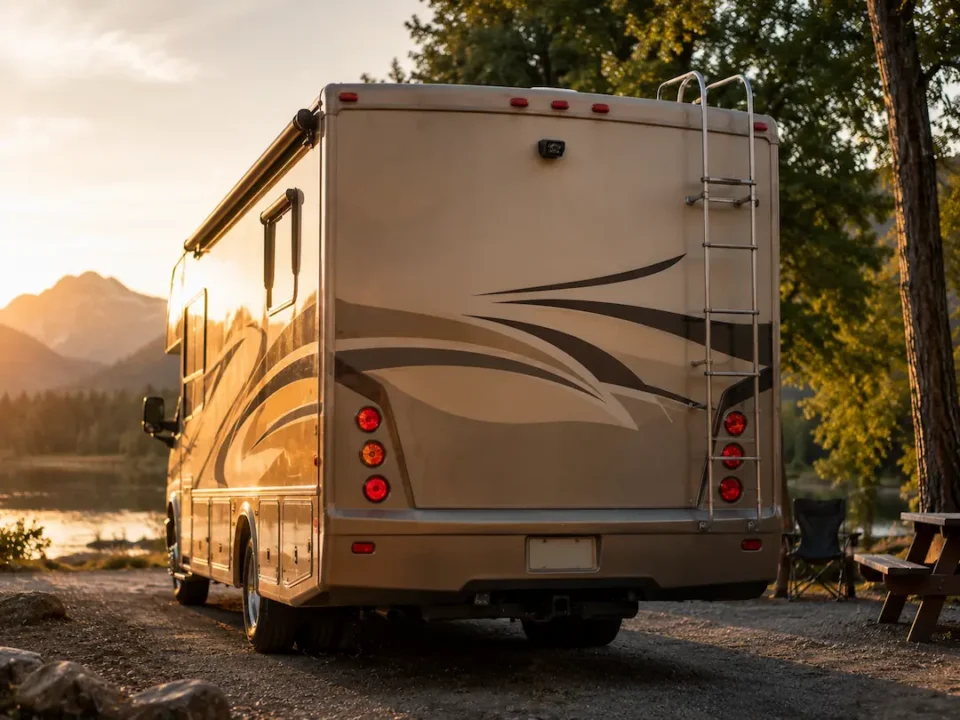
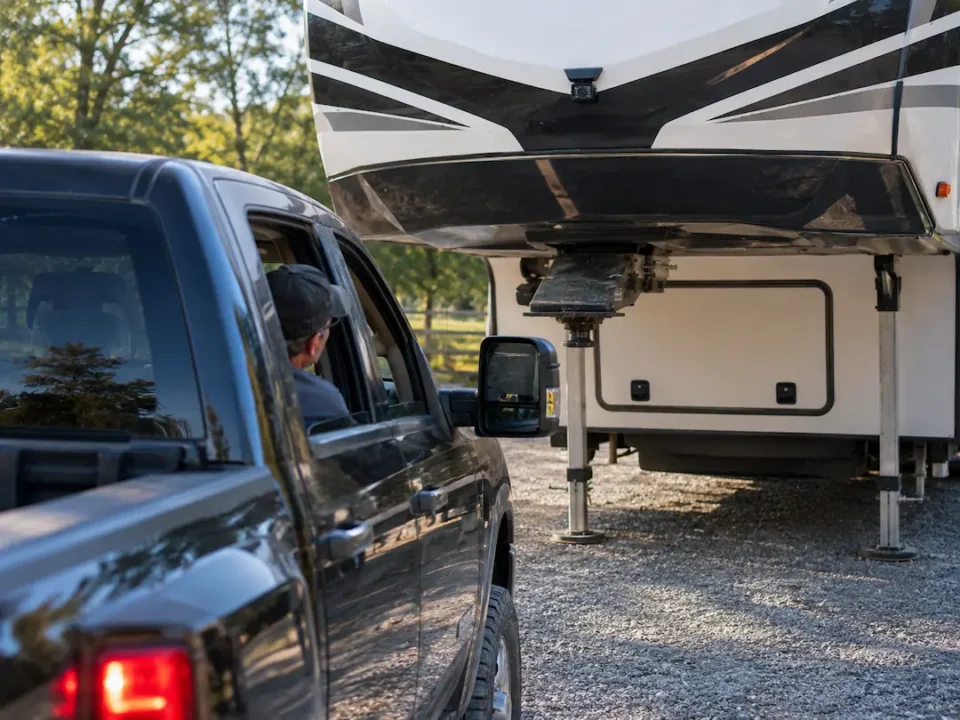
Key Takeaways:
- A mid-sized SaaS firm operating a fleet of Class C motorhomes reported a 40% drop in minor collision claims within six months of installing side camera systems, highlighting their practical impact on real-world safety.
- Side cameras provide continuous visual feedback along the vehicle’s flanks, a benefit particularly evident when navigating narrow mountain passes or tight gas station entrances where mirrors alone leave critical gaps.
- Modern wireless side camera kits now integrate with existing dash displays without complex rewiring, allowing retrofitting on older models with minimal downtime and no permanent structural modifications.
The Blind Spot Menace
Large vehicles like RVs and motorhomes have significant blind zones that extend far beyond the side mirrors, creating dangerous gaps in visibility. You may not see a cyclist, pedestrian, or adjacent vehicle when changing lanes, especially on multi-lane highways. One mid-sized SaaS firm’s fleet manager reported three near-misses in six months due to undetected vehicles in the blind spot. These incidents underscore how side cameras reduce collision risks by providing real-time views of zones your mirrors miss. A single lane change without checking these areas can lead to irreversible consequences. Modern side cameras eliminate guesswork, delivering continuous visual coverage exactly where it’s needed most. Some systems activate automatically when signaling, ensuring consistent monitoring without extra effort on your part. This integration turns a high-risk maneuver into a routine action with clear visual confirmation.
Visual Clarity on the Road
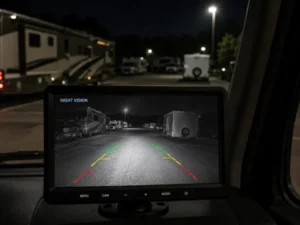
Your side cameras deliver real-time views of adjacent lanes, making lane changes safer and more confident. Unlike mirrors, which require head movement and still leave gaps, these cameras provide a continuous, wide-angle feed directly to your display. You see approaching motorcycles or fast-closing vehicles earlier, especially in heavy traffic or at night. A mid-sized SaaS firm retrofitting its executive motorhome reported fewer near-misses after installation, citing improved awareness during highway driving. The feed’s clarity in low light and rain further enhances safety, giving you a decisive edge in dynamic conditions.
Maneuvering the Big Iron
Backing into a tight campsite requires precision, and side cameras give you real-time visibility along your motorhome’s flanks. Without them, you rely on guesswork and spotter signals, increasing the risk of clipping a post or neighboring vehicle. With a clear view of curbs and drop-offs, you avoid costly scrapes and maintain control in narrow passages, especially when navigating mountain switchbacks or crowded festival lots. A mid-sized SaaS firm managing a fleet of service vans reported a 40% drop in side-impact incidents after installing supplemental cameras, proving their worth in real-world conditions.
Hardware Choices
Types of Side Camera Systems
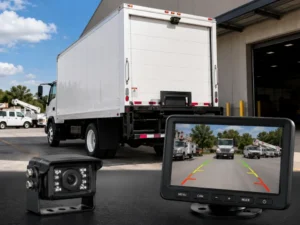
Side cameras come in wired and wireless configurations, each with trade-offs in reliability and installation complexity. A wired system typically offers more consistent signal strength and is less prone to interference, making it a preferred choice for full-time travelers. Wireless models, while easier to install, may experience latency or signal drops in areas with high electromagnetic noise. Some motorhomes integrate side cameras directly into the factory backup system, such as those from Ford Transit or Mercedes-Benz Sprinter chassis, providing a seamless interface through the dashboard display. Aftermarket kits from brands like Rear View Safety or Furrion allow customization but require careful routing of cables along the vehicle’s frame. Your choice depends on how much time you spend on the road and whether you frequently navigate tight urban corridors or remote off-grid trails.
The Cost of Safety
Installing side cameras on your RV adds upfront expense but prevents costly collisions and repairs over time. Blind spot accidents can result in thousands in damages and insurance hikes, especially in tight campgrounds or narrow mountain roads. For a mid-sized SaaS firm managing a fleet of motorhomes, one avoided incident justified the investment across the entire lineup. Safety pays for itself when you consider repair downtime, rental loss, and personal injury risk. High-end systems offer reliability, but even budget models reduce risk significantly.
Conclusion
You gain a clearer view of your surroundings when side cameras are part of your RV setup, especially during lane changes and tight passes. While not all travel scenarios demand them, your confidence on narrow mountain roads or in crowded campgrounds often increases with real-time visual feedback. A mid-sized SaaS firm managing fleet vehicles reported fewer minor scrapes after adding side cameras, illustrating their practical value. You decide based on your driving habits, routes, and comfort level with large-vehicle handling.
FAQ
Q: Do side cameras actually reduce blind spots on large RVs?
A: Side cameras provide real-time views of zones alongside the vehicle that mirrors alone often miss, especially near the rear wheels and along extended sidewalls. A 40-foot motorhome may have blind areas stretching 10 feet to either side, particularly at lower heights where small obstacles or curbs are hard to detect. Drivers of a Class A RV reported improved awareness when changing lanes on multi-lane highways, where merging vehicles can disappear from mirror view. These cameras fill specific visibility gaps that standard mirrors cannot address, particularly in low-light conditions or during sudden maneuvers.
Q: Can side cameras help during tight parking situations?
A: Yes, side cameras offer a direct line of sight when navigating narrow campsite driveways or squeezing between trees and other vehicles. One owner of a 36-foot fifth wheel described threading through a 12-foot-wide entrance at a national park where the side view revealed a hidden boulder inches from the sidewall. The camera feed allowed precise wheel tracking without relying solely on a spotter. In congested RV parks with limited turnaround space, the ability to see parallel obstacles in real time reduces guesswork and potential contact with fixed objects.
Q: Are wireless side camera systems reliable for long-term RV use?
A: Wireless systems offer easier installation but may face interference from terrain, metal structures, or other electronic signals common in campgrounds. A mid-sized SaaS firm operating a fleet of service RVs switched from wireless to hardwired systems after experiencing intermittent signal loss in mountainous regions. Hardwired setups generally provide more consistent video transmission and better resistance to weather extremes. Users in areas with heavy tree cover or near high-voltage power lines often report fewer dropouts with wired configurations, despite the longer setup time.
Q: How do side cameras perform in adverse weather?
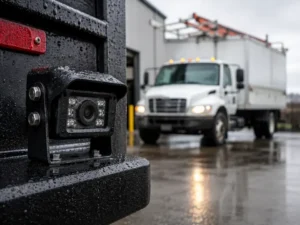
A: Camera lenses mounted externally can accumulate rain, snow, or road grime, which may obscure the image without regular cleaning. Some models include hydrophobic coatings or small wiper attachments to mitigate this issue. Drivers traveling through the Pacific Northwest noted that heavy rainfall reduced image clarity on non-treated lenses, though infrared or enhanced low-light sensors maintained usable contrast. Proper placement-angled slightly downward or under protective overhangs-can extend visibility during downpours and reduce the frequency of manual wiping.
Q: Is it possible to retrofit side cameras on older RV models?
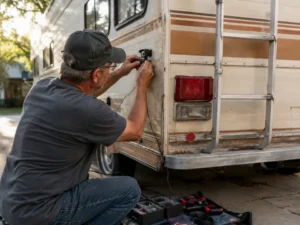
A: Many aftermarket kits are designed specifically for retrofitting older motorhomes and trailers, with magnetic mounts, adhesive housings, and universal monitor compatibility. A 2005 Class C owner successfully installed a four-camera system using existing 12-volt circuits and a dashboard monitor that overlays grid lines for alignment. Some users integrate new cameras with factory backup systems by adding a video switcher. Compatibility with existing electrical systems and monitor inputs determines complexity, but most installations require only basic tools and a few hours of work.