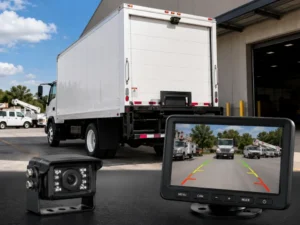
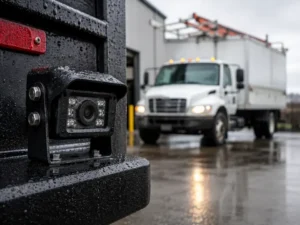
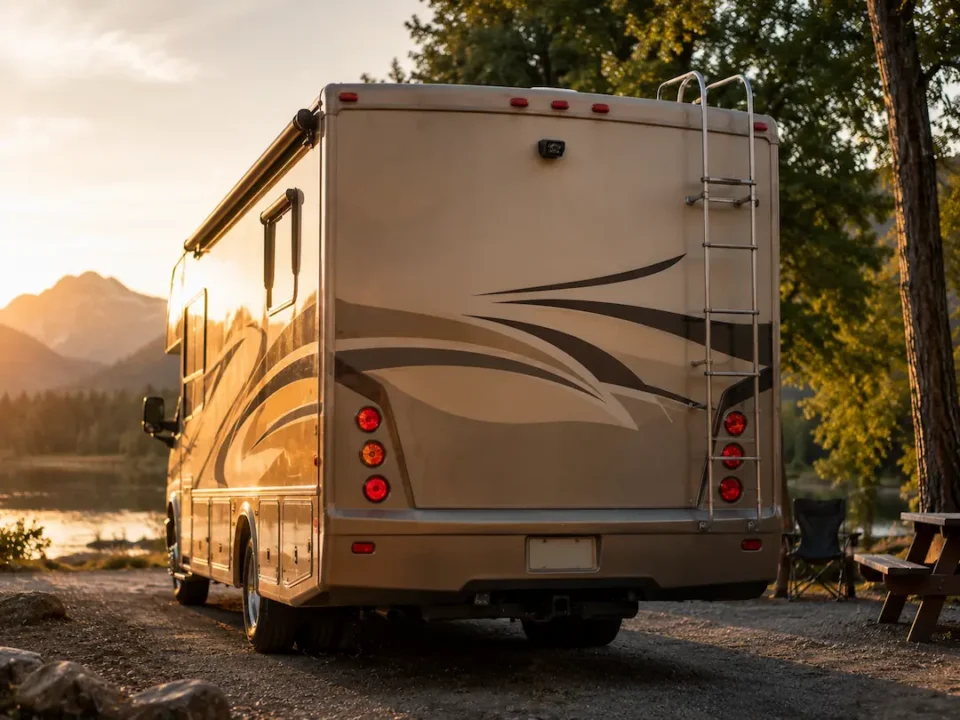
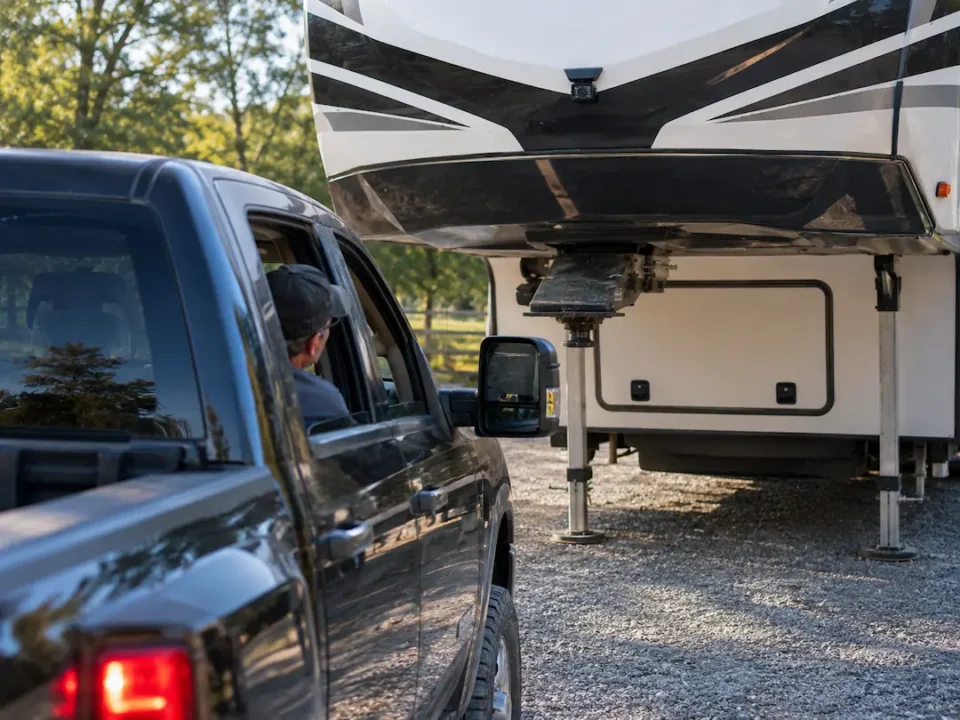
Wireless RV cameras offer convenience and flexibility, allowing you to easily install them without extensive wiring, making your setup simpler. However, you should consider the potential for interference and signal range limitations that may affect performance in remote areas. On the other hand, wired cameras provide consistent connectivity and reliability, ideal for those who prioritize stable monitoring. By understanding the key differences, you can choose the best option that fits your needs, ensuring you have the right surveillance for your RV adventures.
Overview of RV Cameras
In the context of enhancing safety and providing peace of mind during your travels, RV cameras play a vital role. These devices can help you monitor your surroundings, assist with parking, and capture memorable moments on the road. With a variety of types and features on the market, choosing the right system tailored to your needs can greatly enhance your RV experience.
Types of RV Cameras
There are several types of RV cameras designed for different purposes. Below are the most common options:
- Backup Cameras – Essential for reversing and parking.
- Side Cameras – Improve visibility on blind spots.
- Forward Facing Cameras – Monitor traffic conditions ahead.
- Interior Cameras – Keep an eye on passengers or pets.
- Wireless Cameras – Eliminate cable clutter and simplify installation.
Any choice ultimately depends on your specific requirements and preferences for monitoring your RV.
| Type | Purpose |
|---|---|
| Backup Cameras | Reversing assistance |
| Side Cameras | Blind spot monitoring |
| Forward Facing Cameras | Traffic monitoring |
| Interior Cameras | Passenger safety |
| Wireless Cameras | Ease of installation |
Key Features to Consider
When deciding on an RV camera, consider features that will enhance your experience. Look for high-definition resolution for clarity, a wide-angle lens for broader coverage, and night vision capabilities for low-light conditions. Other features may include wireless connectivity for easy installation and monitoring, and the ability to integrate with GPS systems for enhanced navigation.
- High Definition Resolution – Ensures clear visibility.
- Wide-Angle Lens – Covers a larger field of view.
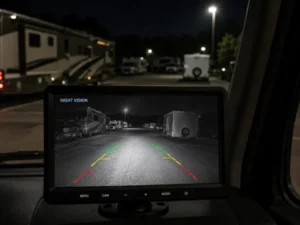
- Night Vision – Offers safety in low light.
- Wireless Connectivity – Simplifies setup.
- GPS Integration – Enhances navigation support.
After evaluating these factors, you’ll be better equipped to choose a camera that suits your RVing lifestyle.
Your needs for an RV camera will vary based on your unique travel style and preferences. Understanding these key features can directly impact your safety and convenience while on the road. For high-definition visibility, prioritize models that provide strong night vision and wider lenses. Wireless connectivity can also save you time and hassle during installation. After weighing these options, you’ll make a more informed decision for your camera selection.
Wired RV Cameras
When opting for wired RV cameras, you ensure a robust surveillance solution with a stable connection. These cameras connect directly to your vehicle’s electrical system, providing uninterrupted power and a reliable video feed. Installation can be more complex than wireless options, as it typically involves running cables through your RV, but the end result is a high-definition, consistent viewing experience that truly enhances your safety on the road.
Advantages
One of the main advantages of wired RV cameras is their reliable connection. Since they are hardwired, you won’t experience issues like interference or signal loss common with wireless models. They also generally provide better video quality and are less susceptible to hacking, ensuring your security footage remains private.
Disadvantages
Despite their benefits, wired RV cameras come with downsides. The installation process can be labor-intensive and may require expert help, which can increase your expenses. Additionally, if you plan to change your RV layout or make modifications, you might need to reinstall the cameras, making them less adaptable than their wireless counterparts.
Considering the disadvantages further, the installation complexity can deter some RV owners from choosing wired setups. You may need to drill into walls or ceilings and navigate around obstacles, which is time-consuming and may feel daunting. Furthermore, modifications to your RV’s structure or layout can lead to logistical headaches, as repositioning wired cameras means additional time and effort to ensure everything remains functional. This rigidity can be a deal-breaker for those who value flexibility when configuring their RV’s interior space.
Wireless RV Cameras
Wireless RV cameras provide flexibility and ease of installation, allowing you to place them virtually anywhere on your vehicle without the constraints of wiring. By utilizing Wi-Fi or other wireless technologies, these cameras transmit video feeds to your mobile devices or monitors, enhancing your ability to monitor your RV’s surroundings seamlessly.
Advantages
One of the main advantages of wireless RV cameras is their simple installation. You can avoid complicated wiring setups, making it quicker to set up and relocate as needed. Additionally, the absence of cables reduces potential wear and tear, and many models are designed to withstand the rigors of the outdoors.
Disadvantages
While wireless RV cameras offer convenience, they can also present certain drawbacks. You may experience issues with signal interference, which can lead to inconsistent video quality. Additionally, battery life can be a concern, as many wireless models require regular recharging or battery replacement.
Signal interference often arises from environmental factors, such as trees, buildings, and even other electronic devices, which can disrupt the camera’s connectivity and lead to delayed or lost feeds. This unpredictability may make it difficult to rely solely on a wireless system, especially in remote areas where signals are weaker. Furthermore, if the camera is not hardwired, a weak battery can leave you without surveillance at critical moments, potentially compromising your security.
Performance Comparison
| Wired RV Cameras | Stable connectivity, often superior image quality, immune to interference. |
| Wireless RV Cameras | Flexible placement, risk of intermittent connection, affected by obstacles. |
Image Quality
Your choice of camera has a significant impact on image quality. Wired RV cameras often deliver higher resolution visuals due to a direct connection, while wireless models can suffer from compression artifacts and lower frame rates. In situations where clarity is paramount, such as parallel parking or navigating tight spaces, wired options typically excel.
Connectivity and Range
When considering connectivity and range, wired cameras provide a constant, reliable connection that eliminates concerns about signal loss. On the other hand, wireless cameras boast convenience and can be activated at longer distances, but may face interference from obstacles like walls or other electronics, leading to potential signal drops.
In urban environments or during heavy usage, the range of wireless cameras can be tested, with some models having effective ranges of up to 300 feet in open areas. However, factors such as interference from Wi-Fi networks or physical barriers can drastically reduce this range. Selecting a wireless camera with a strong transmission system is imperative if you plan to use it far from your RV. Always consider the environment and typical usage scenarios when evaluating your options.

Installation and Maintenance
Choosing between wired and wireless RV cameras involves understanding the installation and maintenance requirements. Wired systems generally demand more technical expertise for installation, while wireless options provide an easier setup but may have unique challenges over time. Consider your skill level and willingness to engage in ongoing maintenance when making a decision.
Wired Installation Process
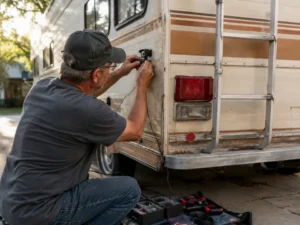
The wired installation process requires running cables from the cameras to a central monitor or recording device, often involving drilling holes through your RV’s structure. You’ll need to connect power sources to ensure the cameras function effectively, while ensuring cable management to prevent interference or damage. This setup can be labor-intensive but offers greater reliability.
Wireless Installation Process
Installing a wireless RV camera typically involves mounting the camera and connecting it to your vehicle’s power source, eliminating the need for extensive cabling. However, you must ensure a strong Wi-Fi signal between your camera and monitor, which can be impacted by obstacles or distance. This generally leads to a simpler installation, but you may encounter connectivity issues.
Wireless installation may vary depending on the specific system. Some cameras come with magnetic mounts for easy attachment or brackets that allow for a more secure fit. You’ll need to charge or ensure the battery is adequately powered, and regularly check signal strength to avoid loss of video feed while driving. Keep in mind that interference from buildings or other electronic devices can affect performance, requiring you to find optimal mounting locations. Investing in a high-quality wireless system can mitigate these issues and enhance your RV experience.
Budget Considerations
When choosing between wired and wireless RV cameras, consider your budget along with the features you desire. While both systems have their merits, your wallet may ultimately dictate your decision. For a deeper look at the financial aspects, check out this Wired vs Wireless Rear View cameras – Pros / Cons?.
Cost of Wired Cameras
Wired cameras typically cost between $100 and $300, depending on the quality and features. Installation can add more to the total expense, especially if you hire a professional. However, the reliability of a wired system often justifies the initial investment, providing consistent performance without concerns over battery life or signal interference.
Cost of Wireless Cameras
Wireless cameras tend to range from $80 to $250. While they may appear to be a more budget-friendly option, you should consider potential additional costs such as batteries and mounting gear. The ease of installation can also save you time and money.
Wireless cameras can indeed seem cheaper upfront, but they may incur hidden costs that add up. For instance, battery replacements or upgrades might be necessary as battery life commonly fluctuates. Additionally, you might find yourself investing in signal boosters to ensure a steady connection, particularly in remote areas. This could bring your total cost closer to that of wired systems if you aren’t careful.
Final Words
So, as you weigh the benefits of wired versus wireless RV cameras, consider your specific needs and preferences. Wired systems offer stable connections and less interference, ideal for long-term setups, while wireless options provide flexibility and easier installation for those frequently on the move. Evaluate factors like distance, installation comfort, and maintenance to determine which system suits your lifestyle best. Making the right choice ensures enhanced safety and convenience during your travels.