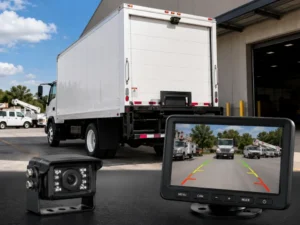
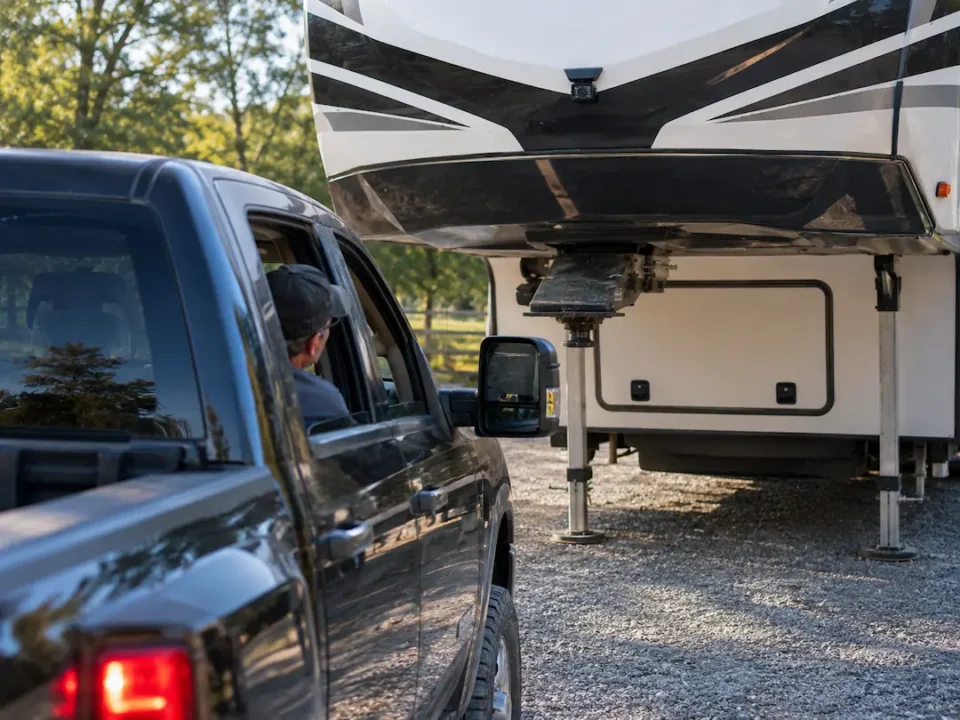
It’s necessary for you to understand the real differences between RV backup cameras, as these devices can significantly enhance your driving experience and safety. With a variety of features available, such as image quality, field of view, and night vision capabilities, choosing the right camera ensures you can navigate tight spaces with ease and avoid costly accidents. Knowing what to look for in a backup camera allows you to make an informed decision that suits your needs, ultimately providing peace of mind while on the road.
The Importance of RV Backup Cameras
RV backup cameras serve as an imperative tool to enhance your overall driving experience. Not only do they provide valuable visibility when reversing, but they also contribute significantly to your safety on the road. The advanced technology found in these cameras helps you avoid accidents and improves your confidence while maneuvering your vehicle in tight spaces.
Safety Benefits
With RV backup cameras, you can significantly reduce the risk of accidents. These cameras offer a clear view of the area behind you, allowing you to spot obstacles, pedestrians, or other vehicles quickly. The National Highway Traffic Safety Administration reports that backup accidents result in thousands of injuries annually; using a backup camera can help prevent these incidents and keep you and others safe.
Enhanced Driving Experience
Utilizing an RV backup camera not only promotes safety but also transforms your driving experience. You gain an immediate sense of confidence while reversing, allowing for smoother navigation through crowded campgrounds or tight parking spots. The enhanced visibility and clarity offered by these systems enable you to make informed decisions quickly, leading to a more enjoyable and less stressful travel adventure.
A backup camera allows you to see what traditional mirrors often miss, offering a wider field of view that minimizes blind spots. For example, when you’re backing into a campsite, a camera helps you align your rig with ease, eliminating the guesswork and reducing the likelihood of damaging your vehicle or surrounding property. Additionally, many cameras come equipped with guidelines to aid in parking and maneuvering, further simplifying your experience on the road. The convenience and peace of mind they provide can’t be overstated, enhancing every journey you initiate upon with your RV.
Types of RV Backup Cameras
Understanding the various types of RV backup cameras can help you choose the right one for your needs. Here’s a quick overview:
- Wired cameras
- Wireless cameras
- Infrared cameras
- Smart cameras
- Dash-mounted cameras
This classification helps in assessing features and performance to ensure you select the best fit for your RV.
| Type | Description |
|---|---|
| Wired Cameras | Connect via cables to ensure consistent video feed. |
| Wireless Cameras | Utilize Wi-Fi or radio signals for installation flexibility. |
| Infrared Cameras | Provide low-light visibility for nighttime use. |
| Smart Cameras | Integrate with mobile devices for advanced features. |
| Dash-mounted Cameras | Attach to your dashboard for visibility and recording. |
Wired Cameras
Wired cameras remain a popular choice due to their reliability and consistent performance. By using physical cables, these cameras ensure stable video feed without the interference sometimes seen in other methods. With options available for various RV sizes, you can install them to provide optimal rear visibility. Importantly, wired cameras may require professional installation, as running cables can be complex.
Wireless Cameras
Wireless cameras offer greater flexibility in positioning. They communicate via Wi-Fi or radio signals, allowing you to install them without the hassle of running cables throughout your RV. These options generally feature easy installation, but be mindful of potential interference from other electronic devices.
Wireless cameras excel in convenience, particularly for those who frequently change setups or don’t want to commit to permanent installations. Many models include advanced features like motion detection and smartphone integration, giving you real-time access to camera feeds from your device. Based on reviews, users appreciate the freedom wireless provides, especially in larger RVs where wired options may fall short in coverage. Consider your specific environment and usage needs when choosing a wireless solution.
Key Features to Consider
When dicking out an RV backup camera, it’s necessary to evaluate several key features that enhance your driving safety and convenience. These include:
- Video Resolution: A higher resolution provides clearer images.
- Display Size: A larger screen allows for easier viewing.
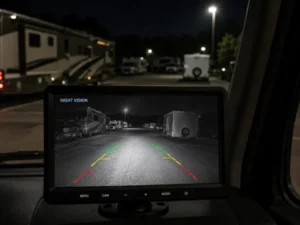
- Night Vision: Essential for low-light environments.
- Field of View: A broad angle minimizes blind spots.
- Wired vs. Wireless: Each system has its advantages and installation requirements.
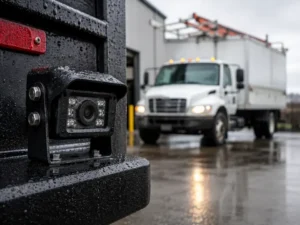
- Durability: Look for weatherproof and resistant models.
- Ease of Installation: Simplifies setup and minimizes downtime.
Any features you prioritize will enhance your overall experience. For detailed comparisons, explore Wired vs. Wireless RV Backup Camera: Which Is Right for ….
Video Quality
Video quality is paramount to ensure you have a clear view of your surroundings while reversing. Look for cameras that offer at least 720p HD or higher for the best clarity. Higher-quality images allow you to spot obstacles earlier and navigate safely.
Field of View
The field of view (FOV) determines how much area you can see behind your RV. A wider FOV—ideally 120 degrees or more—significantly reduces blind spots and helps you assess your environment, particularly in tight spaces. This feature is particularly useful when backing into camping spots or navigating crowded areas.
A wide field of view is vital for enhanced safety during parking and maneuvering. For instance, cameras with a 150-degree FOV provide a comprehensive view, allowing you to detect pedestrians or objects that might otherwise be obscured. This feature can enhance confidence, especially for RV novices, by offering a clearer representation of your surroundings as you reverse.
Installation Options
When considering RV backup cameras, installation options can significantly impact your overall experience. You can choose between professional installation or go the DIY route, each with its benefits and challenges. Professional services often guarantee a seamless integration with your vehicle’s existing systems, while DIY installation offers flexibility and cost-saving opportunities. Understanding these options allows you to make a choice that best suits your needs and capabilities.
Professional Installation
Opting for professional installation means that experts handle the setup, ensuring your backup camera is correctly integrated with your RV. This option can save you time and potential headaches, especially if you’re unfamiliar with electrical systems. With trained technicians, you also benefit from warranties on both the installation work and the equipment, providing peace of mind that everything works as it should.
DIY Installation
If you’re handy and enjoy tackling projects, you might consider DIY installation. Many RV backup cameras come with comprehensive instructions, making it accessible for those willing to learn. This approach not only saves you money on labor costs but also provides a sense of accomplishment once completed. However, keep in mind that poor installation can lead to issues down the road, so careful attention to detail is necessary.
When pursuing DIY installation, start by gathering all necessary tools and reviewing the camera’s instructions thoroughly. You’ll typically need basic tools like a screwdriver, wire strippers, and possibly a drill, depending on the camera model. Next, ensure you have a reliable power source, which may require tapping into your RV’s existing electrical system. Many people find it helpful to watch installation tutorials online, enhancing their understanding of the process. Following these steps diligently can lead to a successful installation, allowing you to enjoy the added safety and convenience of your backup camera.
Common Brands and Models
You’ll find an array of RV backup camera brands and models designed to meet various needs. Popular choices include Furrion, known for its durable and high-quality systems, and Magellan, which offers built-in GPS capabilities. Models like the eRapta and Rear View Safety deliver budget-friendly options with decent performance, while high-end brands such as Garmin provide advanced features like smartphone integration and superior image clarity. Assess your requirements carefully, as the right brand can greatly enhance your driving experience.
Budget-Friendly Options
If you’re looking for budget-friendly options, models such as eRapta ERT01 and Douper provide excellent value without compromising functionality. Priced around $50 to $100, these cameras deliver decent image quality and ease of installation, making them ideal for both novice and experienced RV owners. While they may lack advanced features, they offer solid basics needed for safer driving.
Premium Choices
For those willing to invest in high-quality performance, premium choices like the Furrion Vision S and Garmin BC30 excel in functionality and image quality. Priced from $300, these models provide features such as wireless connectivity, wide-angle views, and superior night vision. They enhance your overall driving experience with seamless integration to existing systems and advanced monitoring options.
The Furrion Vision S system stands out with its 4.3-inch touchscreen display and the capability to connect multiple cameras, offering you a comprehensive view while maneuvering your RV. Coupled with a weatherproof design, it remains reliable in challenging conditions. The Garmin BC30 is another impressive option, featuring wireless limits up to 45 ft and a rapid five-second delay, ensuring you don’t miss critical moments. Investing in these premium systems may significantly reduce blind spots and improve safety while on the road.

Comparing Costs and Value
| Aspect | Details |
|---|---|
| Initial Investment | Prices for RV backup cameras can range from $100 to over $500 based on features and quality. |
| Long-Term Benefits | Investing in a quality backup camera can enhance safety, prevent expensive accidents, and potentially lower insurance premiums. |
Initial Investment
When evaluating the initial investment, you should weigh options between basic models priced around $100 and high-end units exceeding $500. The upfront cost may often set the tone for quality, with more expensive options offering features like night vision and wide viewing angles.
Long-Term Benefits
The long-term benefits of a reliable RV backup camera extend beyond its purchase price. You’ll find that these systems not only improve your parking accuracy but also significantly enhance overall safety while driving. With fewer accidents arises a reduction in maintenance costs and possibly lowered insurance premiums due to the added safety feature.
Choosing a backup camera can mitigate the risk of collisions, potentially saving you thousands in repair costs. For instance, if you avoid even one minor accident, the cost savings can easily eclipse your initial investment. Additionally, many users report increased confidence when reversing, leading to less stress during travel. Ensure you consider these economic factors when weighing your options.
Final Words
As a reminder, understanding the real difference between RV backup cameras can significantly enhance your parking experience and improve safety on the road. You should consider factors such as resolution, field of view, night vision capabilities, and wireless versus wired options when selecting your camera. Each feature contributes to how effectively you can navigate tight spaces and avoid obstacles, ensuring you make an informed choice for your travel needs. Choosing the right system tailored to your requirements will ultimately enhance your overall RV experience.