It’s necessary to stay aware of the performance of your backup camera as it plays a critical role in your driving safety. If you notice blurry images, delayed response times, or inconsistent performance, it may indicate that your backup camera is outdated or malfunctioning. Upgrading to a higher quality system can significantly enhance visibility and overall safety while reversing. In this post, you will discover the seven signs that signal it’s time to consider an upgrade for your backup camera.
Deteriorating Image Quality
If you notice a significant drop in clarity, your backup camera may need an upgrade. Image quality directly impacts your ability to see obstacles and hazards while reversing. A clear, sharp view is necessary, and any degradation can lead to dangerous situations.
Blurriness or Distortion
Blurriness or distortion in the image indicates a failing lens or sensor. When you can’t easily identify objects behind you due to a fuzzy view, it compromises your safety. This issue often arises from scratches, dirt, or internal damage to the camera hardware.
Low Light Performance Issues
Poor visibility in low light situations signals that your backup camera may be outdated. You should be able to rely on your camera to clearly display your surroundings regardless of the lighting conditions. An inability to capture clear images in the dark increases your risk of accidents.
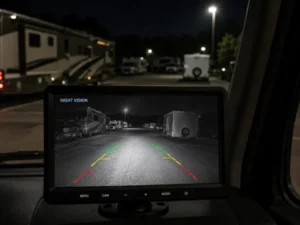
Many older backup cameras struggle with low light performance, often relying on basic image sensors that cannot effectively handle dim environments. If you find yourself squinting at your screen during dusk or dawn, consider that modern cameras often utilize advanced technologies like infrared sensors or enhanced dynamic range. These features significantly improve night visibility, allowing you to see obstacles like pedestrians or curbs, eliminating blind spots that could pose serious safety risks. Don’t let poor low light performance put you in danger; upgrading can provide the enhanced clarity you need.
Technology Obsolescence
Your backup camera may not keep pace with evolving technologies, leading to inferior performance. As new advancements emerge, older systems become less efficient, and you miss out on enhanced safety features that can prevent accidents and improve usability. Failing to upgrade can hinder not just your driving experience but also your overall vehicle safety.
Lack of Advanced Features
When your backup camera lacks modern capabilities, it’s a clear sign you need an upgrade. Today’s cameras often come with advanced features such as:
| Dynamic Guidelines | Helps track your steering direction |
| 360-Degree View | Eliminates blind spots with a full surround view |
| Park Assist Integration | Guides parking maneuvers automatically |
| Night Vision Capabilities | Improves visibility in low-light conditions |
Incompatibility with Modern Systems
If your backup camera can’t integrate smoothly with contemporary systems, it’s time for an upgrade. Many modern vehicles come equipped with connectivity features such as smartphone integration and advanced infotainment systems. An incompatible camera may lack necessary ports or software compatibility, rendering it ineffective. While these features may seem optional, they significantly enhance safety and convenience, making your driving experience more enjoyable and secure.
For instance, integrating your backup camera with your vehicle’s infotainment system provides real-time data and alerts critical for navigating tight spaces. If your camera doesn’t sync well, consider the potential risks, such as missing crucial alerts or not utilizing augmented reality features that other vehicles enjoy. An outdated system not only hampers functionality but could also compromise your safety on the road.
Frequent Malfunctions
Frequent malfunctions can indicate it’s time for a backup camera upgrade. If your camera consistently fails to operate as intended, it compromises your safety and confidence while reversing. Such issues not only create frustration but can lead to dangerous situations when visibility is impaired. Regular use of a malfunctioning camera could result in costly accidents.
Intermittent Functionality
If your backup camera displays intermittent functionality, this is a clear warning sign. You may find that it works at times but completely shuts off others. Such unreliability can prevent you from safely maneuvering your vehicle, making it crucial to assess your camera’s overall performance and consider an upgrade.
Error Messages or Notifications
Error messages or notifications appearing on your screen are a strong indication that your backup camera is struggling. These alerts can range from simple connection failures to more complex issues that compromise performance. Ignoring these warnings can lead to increased risks while driving.
Error notifications often suggest problems that require immediate attention, revealing issues such as faulty wiring or software glitches. When you see messages like “Camera Not Found” or “System Error,” it’s not just an annoyance. These warnings signal that your camera might fail when you need it most, potentially leading to accidents. If these alerts become frequent, it’s wise to consider an upgrade to a more reliable model that ensures your safety on the road.
Inaccurate Distance Readings
If your backup camera is providing inaccurate distance readings, it’s a clear sign that an upgrade is needed. Trusting incorrect measurements can lead to mishaps while reversing, putting you and others at risk. Take note of how often you find yourself second-guessing the distance when backing up; it could indicate that your camera’s sensors are failing to deliver reliable performance.
Misleading Proximity Alerts
When your backup camera’s proximity alerts become misleading, it can cause unnecessary anxiety while parking. Whether it’s warning you too late or triggering alerts when there’s ample space, these issues detract from the functionality you depend on.
Inconsistent Display Data
Experiencing inconsistent display data can be frustrating and dangerous. If the information your camera presents varies greatly from what you’re actually seeing, it can lead to mistakes. Maintaining a clear understanding of your surroundings is necessary, and discrepancies can undermine your confidence while reversing.
Inconsistent display data can arise from poor calibration or outdated technology within your backup camera system. For instance, a difference between the perceived distance and reality—where the objects appear closer or further away than they actually are—can create confusion. This is especially pertinent in tight spaces or crowded parking lots, where a moment of indecision could lead to an accident. Advances in backup camera technology have made high-precision sensors more affordable and accessible, so if you find persistent inconsistencies, exploring an upgrade can significantly improve your driving experience and safety.

Poor Visibility Conditions
Poor visibility conditions can significantly hinder your backup camera’s effectiveness. If you find yourself struggling to see clearly in adverse weather or low-light situations, it’s time to consider an upgrade. Modern backup cameras come equipped with advanced features that enhance visibility in challenging environments, ensuring you can navigate safely regardless of external conditions.
Ineffective in Rain or Fog
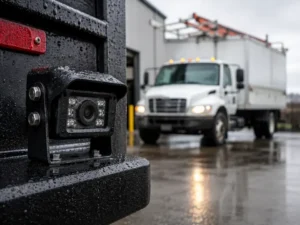
If your current backup camera struggles during rain or fog, it may not be equipped with quality sensors or appropriate lens coatings. This limitation can lead to distorted images or complete loss of visibility when you need it most, increasing the risk of accidents in these common weather conditions.
Limited Night Vision Capabilities
Your backup camera’s night vision capabilities should be able to provide clear imagery even in low-light environments. If you find it difficult to see behind your vehicle after dark, an upgrade is important. Enhanced night vision technologies, such as infrared and improved sensor sensitivity, can significantly improve your view when backing up in dim conditions.
Modern backup cameras with advanced night vision capabilities use infrared technology to illuminate the area behind your vehicle in low-light situations. For instance, cameras that feature a minimum illuminance rating of 0.1 Lux or lower can capture images even in near-complete darkness. Investing in these upgraded systems can provide clearer, more reliable visuals, which are important for safe navigation at night. Don’t compromise your safety due to inadequate night visibility; an upgrade can make all the difference.
User Experience Concerns
Your backup camera’s performance isn’t solely about image clarity; user experience also matters significantly. If you find yourself struggling with the features or settings, it may signal that it’s time for an upgrade. An outdated camera system can lead to frustration and distraction while driving. For more details, check out 3 Indications You Need a New Rearview Backup Camera.
Difficult-to-Use Interface
If the interface of your backup camera feels clunky or intuitive, it can hinder your ability to focus on what’s behind you while reversing. A user-friendly interface provides quick access to crucial features, minimizing distractions. If it takes too long to navigate, you risk compromising safety.
Poor Customer Support and Updates
Summing up
As a reminder, recognizing when your backup camera needs an upgrade is vital for maintaining safety and efficiency in your driving experience. If you experience issues like poor image quality, frequent malfunctioning, or inability to assist in parking, it’s time to consider a replacement. Additionally, advancements in technology can significantly enhance your vehicle’s safety features. Keeping your backup camera updated can ensure you have the best possible visibility and reliability, allowing you to navigate confidently on the road.