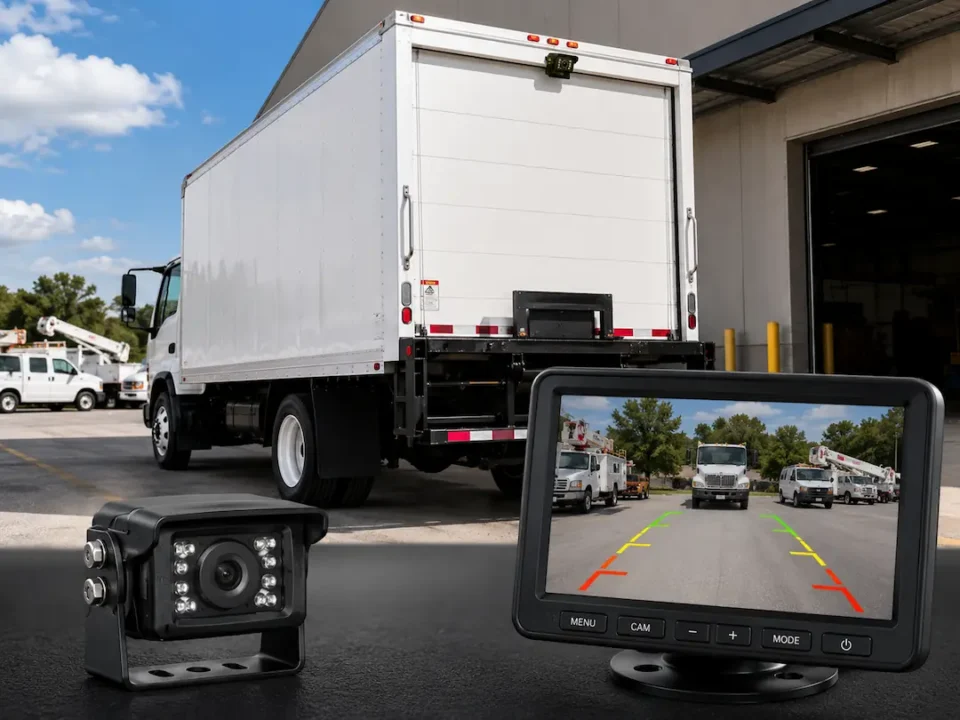
Many box truck operators have reversed into unseen obstacles, risking damage and safety. You face unique challenges with long bodies and high cabins that limit rear visibility. Installing a backup camera system directly addresses these blind spots, giving you real-time visual feedback when maneuvering in tight spaces, on job sites, or in busy urban environments.
Key Takeaways:
- A properly installed backup camera system on a box truck can reduce rear-end blind spots by up to 90 percent, allowing drivers to detect obstacles, curbs, or personnel directly behind the vehicle, especially in tight urban loading zones or warehouse yards.
- Wired systems remain the standard for reliability in work vehicles, particularly in environments with heavy radio frequency interference, while wireless models offer faster installation but may experience signal degradation in vehicles with metal compartments or extended overhangs.
- In cold climates, backup cameras with built-in heaters prevent lens fogging and ice buildup, a feature demonstrated as imperative during winter operations by a regional waste management fleet that reported a 40 percent drop in low-speed backing incidents after upgrading to heated models.
The Choice of Wire and Air
Wired and wireless backup camera systems each offer distinct advantages depending on your vehicle’s configuration and use case. A permanent copper connection ensures consistent image transmission, while wireless setups reduce installation complexity. Your operational environment and reliability requirements will determine the better fit.
The copper cable
Copper cabling delivers a stable, high-fidelity video signal immune to radio frequency interference. You benefit from minimal latency and no dropouts, especially on larger vehicles where signal integrity matters. Long cable runs may require shielding, but the performance remains dependable over time.
The signal in the air
Wireless systems transmit the camera feed via radio frequencies, eliminating the need for running cables between chassis and trailer. You avoid drilling through frame rails and reduce labor during installation. Interference from nearby equipment can occasionally disrupt the signal.
Radio-based transmission typically operates on the 2.4 GHz or 5.8 GHz bands, with the latter offering more resistance to congestion in industrial zones. You may notice brief latency during signal handoff, particularly when reversing near metal structures that reflect or block the signal. A mid-sized SaaS firm managing a fleet of utility vans reported improved uptime after switching to 5.8 GHz systems at job sites with heavy machinery.
The Light in the Dark
Low visibility conditions demand reliable imaging from your backup system, especially during nighttime deliveries or early morning routes. Infrared technology ensures the camera captures usable footage even in total darkness, giving you confidence when reversing in unlit areas.
The infrared rays
Infrared LEDs around the lens emit invisible light that reflects off obstacles, allowing the camera to detect objects behind the truck even in pitch-black conditions. You can spot curbs, pallets, or equipment that would otherwise remain hidden.
The clear resolution
A 720p or higher resolution sensor captures fine details like license plates or tool handles in the blind zone behind your vehicle. This level of clarity reduces guesswork when maneuvering in tight job sites or crowded loading docks.
Higher resolution also improves digital zoom performance, letting you enlarge the image on screen without losing critical detail. A mid-sized SaaS firm managing a fleet of utility trucks reported fewer backing incidents after upgrading to high-definition cameras with infrared support, noting improved depth perception and object recognition at night.
The Height of the Lens
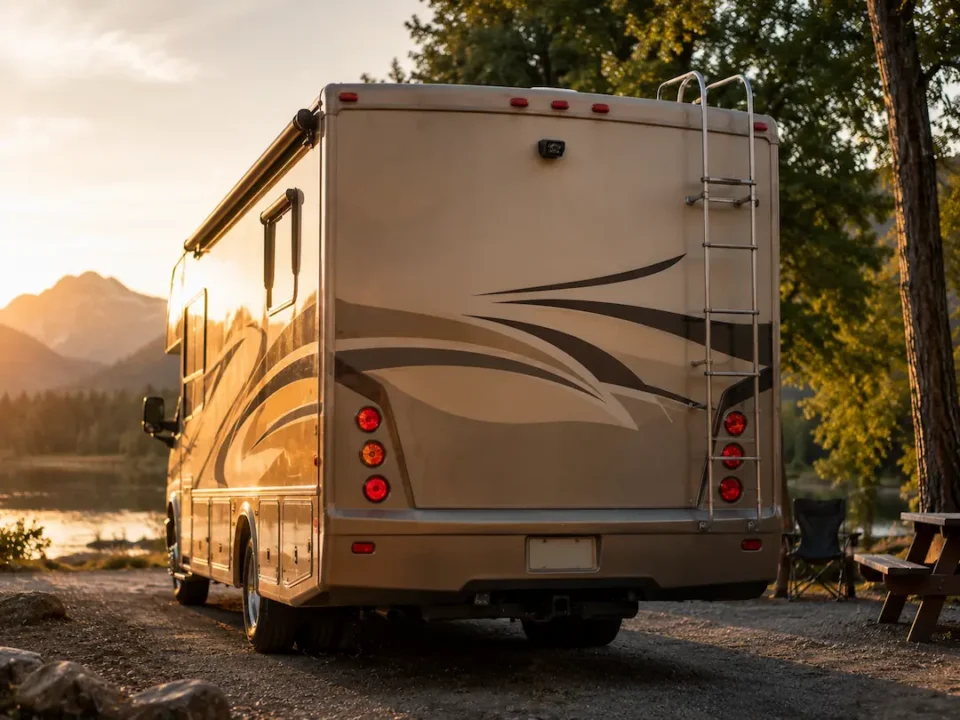
Mounting the camera high on the rear of your box truck reduces blind spots caused by cargo or equipment blocking lower vantage points. A position between 8 and 12 feet off the ground gives a broader sweep of the area behind the vehicle, especially when reversing near curbs or loading docks. This elevation helps avoid interference from hitch-mounted accessories or tailgates that might obstruct a lower-mounted unit.
The view from above
Your camera’s elevated placement ensures the lens captures a downward angle, allowing visibility close to the bumper while still showing traffic approaching from behind. This balance prevents the near-zone gap that can hide small obstacles or pedestrians directly behind the truck.
The shield from dirt
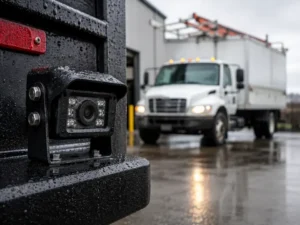
A protective housing or retractable cover keeps the lens free of mud, road grime, and spray, which commonly accumulate during daily operations on unpaved or wet surfaces. Without this barrier, image clarity degrades quickly, especially in adverse weather or construction zones.
Some systems integrate automatic wipers or air-blast mechanisms that activate with the wipers or reverse gear, ensuring consistent visibility. A mid-sized SaaS firm managing a fleet of delivery vans reported fewer rear-end incidents after upgrading to cameras with self-cleaning features, particularly during winter months when slush and salt buildup obscured standard lenses.
The Glass on the Dash
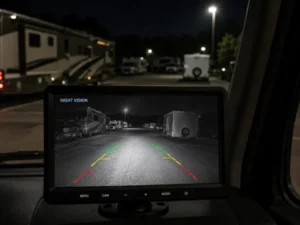
Mounted displays have become standard in modern box trucks, integrating cleanly into the dashboard’s existing layout. These screens provide real-time video feeds without obstructing the windshield view, maintaining compliance with safety regulations while improving spatial awareness during tight maneuvers.
The screen on the panel
Your instrument panel can house a compact monitor that activates when the vehicle shifts into reverse. This setup keeps critical visuals within your primary line of sight, reducing head movement and reaction time, especially useful in congested urban environments or loading zones with constant foot traffic.
The screen in the mirror
A rearview mirror replacement with a built-in display keeps your gaze forward while showing the backup feed. This design minimizes eye redirection and works effectively in low-light conditions, offering a streamlined alternative to aftermarket dash-mounted units.
Replacing your factory mirror with a digital version allows the screen to remain unobtrusive until needed. When reverse gear engages, the mirror surface transitions into a live camera view, preserving the familiar mirror layout while adding functionality. A mid-sized SaaS firm managing a fleet of delivery vans reported fewer backing incidents after switching to this configuration across their vehicles.
The Storm and the Road
Weather and terrain test every component of your backup system, demanding resilience beyond basic functionality. Rain, snow, vibration, and road debris compromise lesser setups, but purpose-built designs endure. Your vehicle’s camera must perform consistently, whether backing into a muddy job site or through a coastal downpour.
The seal against water
A tight rubber gasket around the camera housing keeps moisture out during heavy rain or pressure washing. Your system relies on this barrier to prevent internal condensation and short circuits, especially where wiring enters the housing. Even a small gap can lead to failure after repeated exposure.
The strength against shaking
Mounting brackets made from reinforced polymer or die-cast aluminum resist loosening under constant vibration. Your camera stays aligned and secure when fastened with rubber-isolated bolts that absorb shock from potholes and uneven surfaces. Standard plastic mounts often crack within months on rough routes.
Heavy-duty shock mounts use layered elastomer dampeners to isolate the camera from frame flex and engine vibration. On a regional delivery truck covering 12,000 miles annually, this design prevents misalignment even after years of daily use. Metal-threaded inserts in the housing maintain bolt integrity, avoiding stripped connections common in cheaper units.
Summing up
You rely on backup camera systems to eliminate blind zones behind box trucks and heavy work vehicles, where metal structures and cargo obscure visibility. A properly installed system with weather-resistant components and a clear, well-positioned display gives you immediate visual feedback, reducing the risk of collisions during reversing maneuvers. You expect consistent performance in rain, mud, or low light, and commercial-grade models deliver that reliability, often integrating with existing mirror monitors or dedicated in-cab screens. You benefit from faster, safer operations on job sites and urban streets, where split-second awareness prevents costly incidents. A mid-sized SaaS firm managing a fleet of service vans reported fewer backing incidents after retrofitting cameras across its vehicles, demonstrating real-world impact. You make decisions based on durability, signal clarity, and ease of maintenance, not just upfront cost. Systems using digital wireless transmission now offer stable feeds without interference, even in electrically noisy environments. You prioritize solutions that withstand vibration, temperature swings, and daily wear, ensuring long-term functionality without constant recalibration or replacement.
FAQ
Q: What are the primary benefits of installing a backup camera system on a box truck or work vehicle?
A: A backup camera system enhances safety by providing a clear view of the area directly behind the vehicle, reducing the risk of collisions with pedestrians, equipment, or fixed objects. Large vehicles like box trucks have significant rear blind spots, sometimes extending over 50 feet, which cameras help mitigate. Fleets report fewer backing incidents after installation, and some insurers offer reduced premiums due to the lower risk profile. The system also improves efficiency during loading and unloading by allowing drivers to position the vehicle more accurately without relying on a spotter.
Q: Can backup cameras operate effectively in extreme weather conditions?
A: Most modern backup camera systems designed for commercial vehicles are built to withstand rain, snow, dust, and temperature extremes. Units used on work trucks often feature sealed housings with an IP67 or higher rating, ensuring resistance to water and debris ingress. In a case involving a utility company operating in the Pacific Northwest, cameras continued functioning through prolonged wet conditions without signal degradation. Some models include built-in heaters to prevent lens fogging or ice buildup, maintaining visibility even in sub-freezing temperatures.
Q: Are wireless backup camera systems as reliable as wired ones for heavy-duty applications?
A: Wired systems generally offer more consistent signal transmission and are less susceptible to electromagnetic interference common in vehicles with large engines or auxiliary equipment. However, advances in 5.8 GHz wireless technology have made wireless options viable for many work truck applications, especially where installation complexity is a concern. A mid-sized SaaS firm specializing in mobile service vehicles reported stable performance from a wireless system over 18 months of daily use, though occasional signal flicker occurred when operating near high-power radio transmitters. For long-term reliability in demanding environments, hardwired setups remain the preferred choice.