There’s a significant need for reliable visibility equipment in heavy-duty vehicles, especially when it comes to ensuring safety during operation. If you operate in harsh environments, understanding the importance of an IP69K rating can enhance your equipment performance under extreme conditions like dust, moisture, and high-pressure washdowns. This rating ensures that your rear visibility systems can withstand these challenges, providing optimal functionality without the risk of damage. By investing in IP69K-rated products, you enhance not just safety but also operational efficiency in demanding scenarios.
Understanding IP69K Ratings
IP69K ratings are important for equipment used in harsh environments, guaranteeing resilience against both dust and high-pressure water ingress. Specifically designed for heavy-duty applications, IP69K ensures that components maintain operational integrity under extreme conditions, such as those faced by construction or agricultural vehicles. This rating informs you that your rear visibility systems can withstand the rigors of your work environment.
Definition of IP69K
IP69K is a rating that signifies a product’s ability to endure both high-temperature and high-pressure water and dust ingress. Specifically, it indicates protection against *dust* entry and water sprayed at high pressure from multiple angles, ensuring that your visibility systems remain functional and free of damage despite exposure to adverse conditions.
Importance of Ingress Protection
Ingress protection is vital as it directly impacts the reliability and longevity of your equipment. By having a high IP rating like IP69K, you ensure that even in the most challenging environments, your systems will avoid malfunctions due to water or dust ingress, promoting safety and efficiency in operations.
Choosing equipment with robust ingress protection standards like IP69K not only enhances durability but also reduces maintenance costs and downtime. In settings where visibility is paramount, such as in heavy machinery or commercial vehicles, you enhance safety for operators and those around them. For instance, improper functioning of rear cameras due to water damage could lead to accidents; thus, a reliable IP69K rating is your safeguard against such risks. Your investment in high-rated products pays off by minimizing unforeseen equipment failures that could jeopardize both operational efficiency and safety.
Rear Visibility in Heavy-Duty Equipment
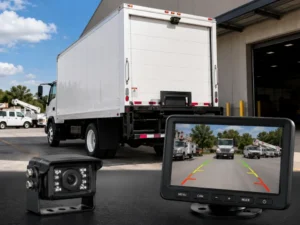
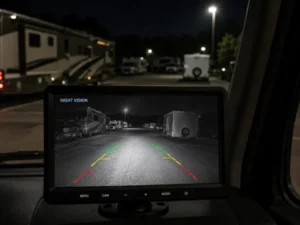
Effective rear visibility is crucial for heavy-duty equipment, as it directly impacts operational efficiency and safety. You need equipment that offers a clear view behind your vehicle, especially in tight spaces or when reversing. Advanced camera systems equipped with IP69K ratings deliver high-resolution images and withstand harsh conditions, ensuring you can see any obstacles or individuals in real-time, enhancing your maneuverability and overall confidence on the job site.
Common Challenges
Various challenges can hinder rear visibility in heavy-duty equipment. Dust, debris, and adverse weather can obscure camera lenses and screen displays, making it difficult to see clearly. Additionally, the bulky design of heavy-duty vehicles often limits visibility from traditional mirrors, leading to blind spots. These conditions can increase the risk of accidents, requiring reliable solutions to manage these obstacles effectively.
Safety Considerations
Prioritizing safety in heavy-duty environments is paramount, and inadequate rear visibility can lead to accidents. Installing high-quality IP69K-rated rear visibility systems ensures you can monitor your surroundings without distraction. Beyond just seeing the immediate area behind you, your equipment must be equipped to handle rugged conditions without compromising performance. Regular maintenance and inspection of these systems will significantly enhance safety measures.
Investing in robust rear visibility solutions not only protects your employees but also safeguards your assets. Statistics show that rear visibility issues contribute to a significant percentage of workplace accidents in heavy-duty settings. By utilizing IP69K-rated cameras, you eliminate risks associated with water and dust ingress, maintaining optimal performance in every weather condition. For instance, a well-maintained camera system can reduce rear-end collisions by up to 50%, underscoring the importance of proper visibility in operational safety.
The Relevance of IP69K for Rear Visibility
In the context of heavy-duty rear visibility, IP69K ratings signify that equipment can withstand extreme conditions, enhancing your safety during operation. When driving large vehicles, ensuring clear visibility of the rear is crucial, especially when maneuvering in tight spaces or during poor weather. IP69K ensures that the visibility systems you use won’t fail due to dust intrusion or water exposure, ultimately supporting your operational efficiency.
Protection Against Dust and Moisture
IP69K ratings guarantee that your rear visibility systems remain fully operational despite exposure to both dirt and moisture. This rating ensures that none of these environmental factors will compromise the performance of the visibility technology, providing you with consistent and reliable sightlines at all times.
Enhancing Visibility Systems
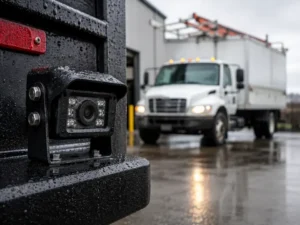
Utilizing IP69K-rated visibility systems allows your heavy-duty vehicle to operate in challenging conditions without compromising performance. The ability to withstand high-pressure water jets and dust ensures that your cameras or sensors continue to function optimally, even in the rugged environments typical of industrial and construction sites.
This reliability is vital, as factors like rain, mud, and debris can easily obstruct standard systems, leading to accidents or operational delays. For example, heavy-duty vehicles frequently encounter harsh weather, where visibility challenges increase risks. By equipping your vehicles with IP69K-rated visibility systems, you not only enhance your safety but also improve productivity, as these systems deliver uninterrupted performance and clarity. Choosing IP69K solutions means safeguarding your operation against common visibility issues, ensuring you stay aware and in control at all times.
Applications of IP69K in Heavy-Duty Vehicles
Heavy-duty vehicles extensively utilize IP69K-rated components for reliable performance in harsh conditions. This rating ensures that equipment remains operational despite exposure to high-pressure water jets and severe environmental factors, optimizing safety and visibility. From construction to agriculture, IP69K applications can enhance durability and longevity of critical systems.
Construction Equipment
In construction, IP69K-rated cameras and sensors are integral for machinery like excavators and bulldozers. These devices provide clear rear visibility, even in the most challenging environments, ensuring operators can navigate safely around job sites filled with dust, mud, and debris.
Agricultural Machinery
Agricultural machinery benefits immensely from IP69K ratings, which protect systems from rain, mud, and high-pressure cleaning. Tractors and harvesters equipped with IP69K-rated devices can maintain clear visibility and functionality, crucial for precision farming in unpredictable weather conditions.

Industry Standards and Compliance
Adhering to industry standards like IP69K is imperative for ensuring that your equipment remains operational under extreme conditions. These standards not only define the level of protection against dust and high-pressure water but also ensure safety and reliability. For a deeper understanding of What are IP69, IP69K, IP68, and IP67 Certifications and …, it’s vital to familiarize yourself with the testing protocols and compliance requirements.
Regulatory Requirements
Regulatory requirements surrounding IP ratings can vary by region and industry. Typically, compliance with standards set by organizations such as IEC and ANSI is mandatory for manufacturers, ensuring that products meet specific performance benchmarks. Non-compliance can lead to significant penalties and compromised safety.
Best Practices for Implementation
To effectively implement IP69K-rated equipment in your operations, prioritize thorough training for staff, ensuring they understand maintenance protocols. Regular inspections are imperative to identify any wear and tear that could affect performance. Furthermore, incorporating robust installation methods can significantly enhance durability.
Implementing best practices also involves selecting the right materials that not only comply with IP69K standards but also suit your operational needs. Regularly turnover and review inspection processes to catch potential issues early. For instance, consider scheduling quarterly evaluations to assess the integrity of equipment and ensure that all components are functioning optimally. Additionally, engage with suppliers who provide comprehensive support for installation and maintenance, fostering an environment where your equipment consistently meets necessary standards.
Future Trends and Innovations
As the demand for robust rear visibility systems grows, innovations in materials and technology are set to elevate IP69K applications. Manufacturers are exploring lightweight composites that retain high performance without adding bulk. Enhanced sensor capabilities are also emerging, integrating advanced imaging and AI-driven analytics to facilitate real-time monitoring of blind spots and obstacles, transforming vehicle safety.
Advancements in Technology
Recent advancements in technology are improving your options for IP69K-rated equipment. New imaging technologies, like high-definition cameras combined with 360-degree visibility, allow you to achieve unparalleled rear sight, even in extreme environments. These innovations not only enhance safety but also contribute to more efficient operations with minimal maintenance.
Anticipated Changes in Standards
Anticipated changes in industry standards could further influence the adoption of IP69K-rated components. With an increasing emphasis on vehicle safety and reliability, organizations like ISO and SAE are considering updates to performance criteria. This evolution will likely enhance compliance requirements, pushing manufacturers to invest in more durable solutions.
Specifically, the move towards more stringent compliance guidelines will necessitate that manufacturers conduct rigorous testing to ensure their products can withstand not just water and dust, but also extreme temperatures and impacts. As regulations tighten, you may find that only those vehicles equipped with the latest IP69K technology successfully meet new standards, further pushing the industry toward innovation and reliability. Continued emphasis on sustainable and smart technologies could also see IP69K combined with IoT capabilities, expanding safety integrations across the vehicle network.
Summing up
Hence, understanding the significance of IP69K ratings enhances your selection of equipment for heavy-duty rear visibility. This standard ensures your devices are protected against dust and high-pressure water, vital for maintaining performance in harsh environments. By prioritizing IP69K-compliant products, you can improve safety and operational efficiency in your work, knowing your rear visibility solutions can withstand the conditions they face, ultimately contributing to more reliable and effective operations.