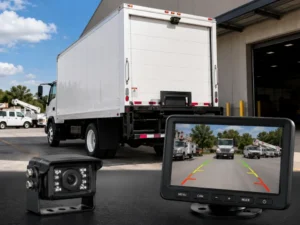
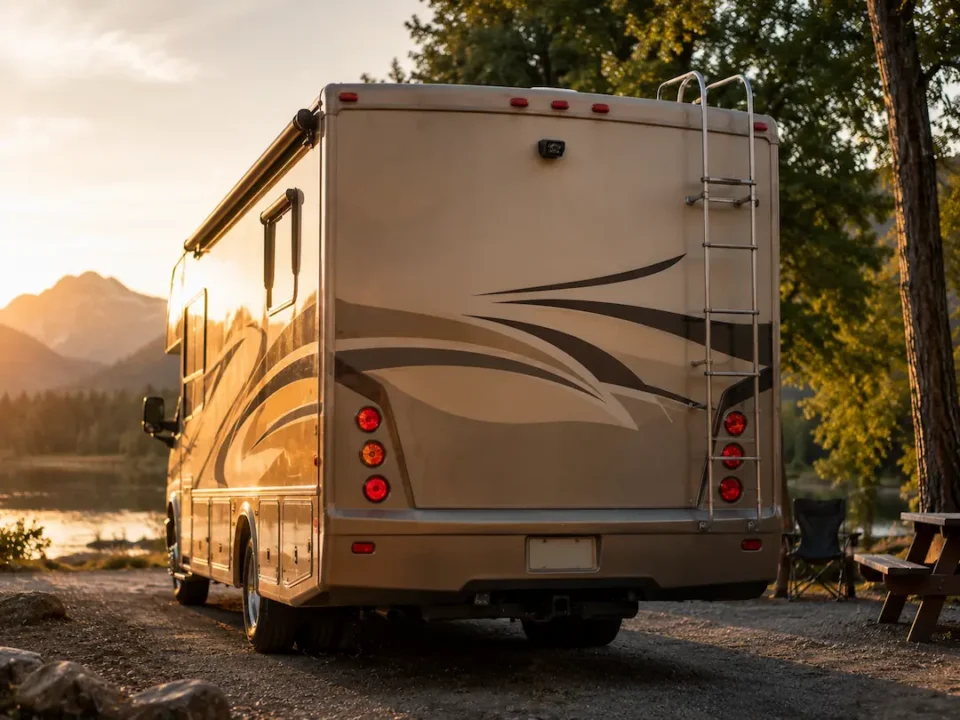
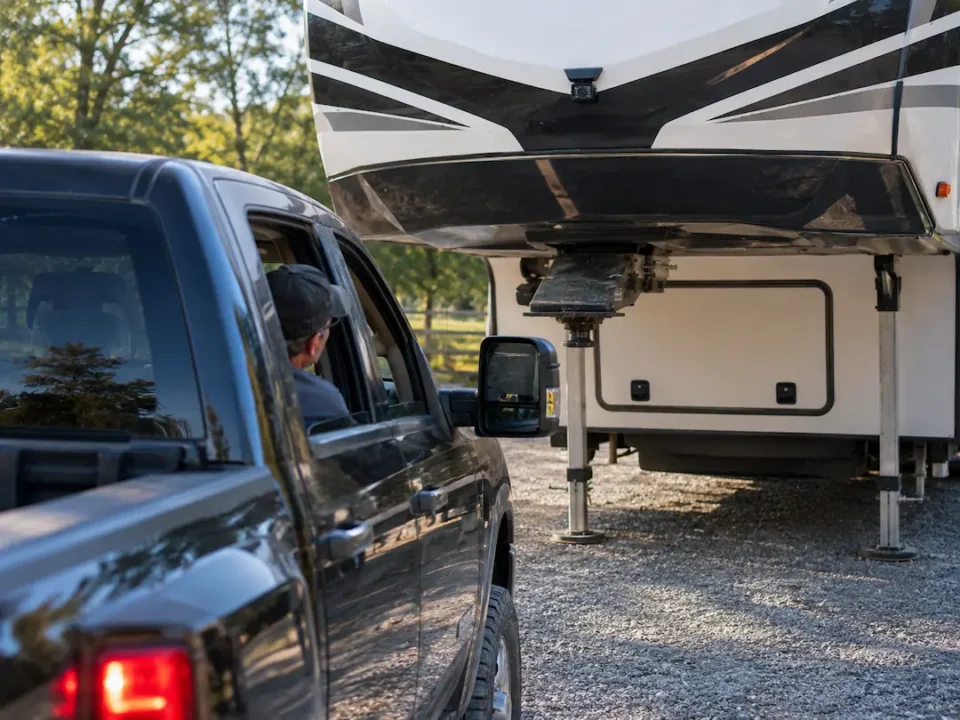
Wired backup cameras deliver a consistent, interference-free signal critical for safe reversing, especially in electromagnetically noisy environments. You face a real trade-off: reliability versus installation effort. Wireless models promise easier setup but can suffer from signal drops at the worst moments, risking blind spots. Your choice shapes your safety and confidence on tight campsites or crowded highways.
Key Takeaways:
- A wired RV backup camera system typically delivers a more stable video feed with minimal interference, making it a preferred choice for full-time travelers who frequently navigate narrow mountain passes or densely wooded campgrounds where signal clarity is non-negotiable.
- Wireless models eliminate the need for running cables through frame rails and interior panels, reducing installation time by as much as several hours, a benefit that appeals strongly to weekend adventurers using a mid-sized SaaS firm’s rental RVs on tight turnaround schedules.
- Interference from onboard electronics such as inverters or satellite domes can disrupt wireless signals, a real-world issue documented in owner forums involving models from major brands like Furrion and Rear View Safety, underscoring the importance of shielding and frequency selection.
The Hard Line and the Long Pull
Wired systems rely on a direct physical connection between the camera and display, ensuring a consistent signal without interference. You gain reliability through dedicated cabling, especially over longer distances where wireless feeds might falter. The trade-off comes in installation complexity, as routing wires through frame rails and walls demands time and precision. Signal stability is the clear advantage, making hardwired setups a preferred choice for permanent RV installations.
The steady flow of copper
Copper wiring delivers power and video in a single, uninterrupted path from camera to monitor. You avoid the dropouts that sometimes plague wireless systems when passing near high-interference zones like power lines or dense metal structures. This direct transmission means your rearview feed remains clear even in electrically noisy environments, a consistent advantage for daily drivers and full-timers alike.
The labor of the drill
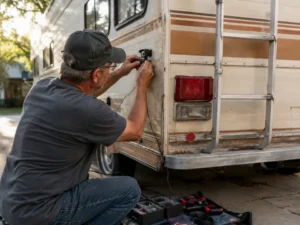
Installing a wired camera means drilling holes, running cables through tight spaces, and securing connections along the RV’s frame. You face hours of physical work, often requiring two people to feed wires through walls and under floors. Improper routing can damage wiring or compromise water seals, leading to long-term issues if not done carefully.
Routing the cable often involves removing interior panels, working around insulation, and avoiding sharp metal edges that could fray the sheathing. You may need fish tapes, wire looms, and sealant to protect each penetration point from moisture. A mid-sized SaaS firm wouldn’t face this kind of physical integration, but for your RV, the effort ensures a clean, permanent setup with minimal future maintenance. Once installed correctly, the system operates without the need for re-pairing or battery checks.
Signals Through the Empty Air
Wireless RV backup cameras transmit video through radio frequencies, eliminating the need for long cable runs between the rear of your rig and the display inside. This freedom reduces installation complexity significantly, especially on larger trailers or fifth wheels where drilling through frames isn’t practical. The signal travels unseen, yet its reliability hinges on clear channels and proper placement.
The swiftness of the setup
Installation time drops dramatically with wireless systems, often taking under an hour. You mount the camera, attach the power leads, pair it with the monitor, and begin testing. There’s no fishing cables through walls or under chassis, making this option ideal for DIYers who want a functional system without extensive tools or experience.
The ghost of the interference
Radio signals can falter when competing with other wireless devices or metal obstructions. A backup camera operating on a crowded 2.4 GHz band might glitch when near Wi-Fi routers or tire pressure monitors. These interruptions, though brief, can obscure critical views during tight maneuvers, introducing a risk that hardwired systems simply don’t face.
Interference doesn’t always come from electronics. Large metal surfaces on your RV can reflect or block the signal, creating dead zones. A camera mounted near a ladder or bumper bracket may transmit poorly if the signal path is obstructed. Some users report flickering when the generator runs, likely due to electromagnetic noise disrupting the transmission. Choosing a system with a strong, dedicated frequency and proper shielding helps reduce these issues, but environmental factors remain unpredictable.
Seeing Truth Behind the Wheel
Clarity behind the wheel depends on more than just camera placement. Your choice between wired and wireless systems directly affects image reliability, especially when obstacles or interference disrupt the signal. A stable feed means fewer blind spots and reduced risk during tight maneuvers, particularly on uneven terrain or crowded campgrounds.
Clarity in the high sun
Bright sunlight can wash out camera displays, making it hard to distinguish lines and obstacles. Systems with anti-glare screens and automatic brightness adjustment maintain usable contrast, ensuring the trailer’s edge remains visible even at midday. High dynamic range (HDR) sensors in premium models significantly improve detail in harsh lighting.
Vision in the deep night
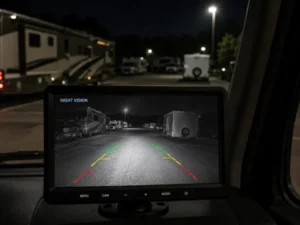
Low-light performance separates functional cameras from flawed ones. Infrared LEDs illuminate the area behind your RV, but their range varies. Models with night vision extending beyond 30 feet provide enough visibility to detect curbs, drop-offs, or small animals in complete darkness.
Some wireless systems struggle to transmit clean video in total darkness due to increased digital noise, which degrades signal quality. Wired cameras typically handle this better, sending a consistent feed without compression artifacts. A mid-sized SaaS firm running nightly tests on RV camera performance noted that infrared intensity and lens coating quality had a greater impact on nighttime clarity than transmission method alone.
Gold Spent on the Journey
Every upgrade you install carries a cost, but not all expenses are measured in dollars. Your time, effort, and long-term reliability shape the real price of a backup camera system. Choosing between wired and wireless affects more than your wallet-it influences how often you’ll trust what you see behind you.
The cost of the kit
A wireless kit often carries a higher initial price due to integrated transmitters and receivers, sometimes costing up to twice as much as a basic wired model. You pay for convenience, but that premium doesn’t guarantee better image quality or durability in extreme conditions.
The value of the endurance
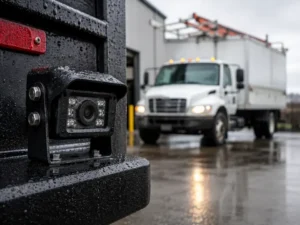
Wired systems typically outlast their wireless counterparts because they avoid signal interference and battery degradation. You benefit from a direct power connection, meaning the camera operates consistently, even after years of exposure to vibration, moisture, and temperature swings.
Long-term reliability becomes evident during extended trips through remote areas where signal drops could leave you blind. A wired camera powered directly from your RV’s electrical system won’t fail mid-maneuver due to a weak transmitter. One mid-sized SaaS firm owner reported replacing his wireless unit twice in four years, while his neighbor’s wired setup remained functional since installation.
The Right Tool for the Rig
Choosing between wired and wireless RV backup cameras depends on your trailer type and how you use it. A mismatched system can lead to blind spots or constant signal drops. Your setup must align with your rig’s size, structure, and typical travel conditions to ensure reliable performance when backing up on uneven terrain or in tight spaces.
Small trailers for the weekend
For compact trailers used on short trips, a wireless camera offers quick installation and minimal wiring. These systems work well over short distances and are ideal if you frequently hitch and unhitch. Interference is rare in open campgrounds, making wireless a practical, low-effort choice for weekend adventurers.
Heavy steel for the long road
Large trailers with metal frames often block wireless signals, making a wired camera the only reliable option. These rigs travel long distances and carry high-value loads, where consistent rear visibility is non-negotiable. Metal walls and extended lengths disrupt transmission, so hardwired systems eliminate dropouts during critical maneuvers.
Long-haul setups with multiple axles and toolboxes benefit from the stability of wired connections. A mid-sized SaaS firm managing fleet RVs reported fewer backing incidents after switching from wireless to wired systems on their 36-foot trailers. The metal structure and onboard electronics created too much interference, but the wired feed delivered uninterrupted video, even in mountain passes with poor ambient signal conditions.
Final Words
You weigh simplicity against flexibility when choosing between wired and wireless RV backup cameras. A wired system delivers consistent video without interference, ideal if you frequently travel through dense campgrounds or remote terrain. Wireless models offer easier installation and clean visuals, suited to those who prioritize setup speed and minimal drilling. Your driving patterns, RV layout, and tolerance for technical upkeep will determine the better fit. A full-time traveler in a Class A motorhome may lean toward wired reliability, while a weekend camper with a trailer might prefer the convenience of a wireless kit. Your decision shapes more than just a view-it affects daily confidence on the road.
FAQ
Q: How do wired RV backup cameras handle interference from other electronic devices?
A: Wired RV backup cameras transmit video through a physical cable, typically coaxial or RCA, which inherently shields the signal from electromagnetic interference. Unlike wireless systems that operate on shared radio frequencies, a wired connection ensures consistent image quality even when multiple Wi-Fi networks, cell phones, or satellite systems are active nearby. A mid-sized SaaS firm retrofitting a fleet of travel trailers reported zero signal dropouts after switching to wired systems, highlighting their reliability in electrically noisy environments.
Q: Can wireless RV backup cameras function reliably in remote areas with no internet access?
A: Yes, wireless RV backup cameras do not depend on internet connectivity to transmit video from the rear of the vehicle to the display inside the cab. They use dedicated short-range radio signals, usually in the 2.4 GHz or 5.8 GHz bands, to send footage directly to a monitor. These systems operate independently of cellular networks, making them functional in deserts, forests, or mountain passes where internet or phone service is absent. One overland traveler documented uninterrupted performance during a three-week trek through the Baja California peninsula using only battery-powered wireless units.
Q: What is the typical installation time difference between wired and wireless systems?
A: A wireless backup camera can often be installed in under two hours, sometimes as little as thirty minutes, because it requires no routing of cables through walls, ceilings, or chassis frames. Most kits include magnetic mounts and plug-and-play monitors. In contrast, installing a wired system on a 36-foot motorhome may take six to eight hours due to the need to thread cables through tight spaces, drill pass-through holes, and conceal wiring for aesthetic and protective purposes. Professional installers at a Florida RV center note that labor costs for wired setups run higher primarily due to this extended time requirement.