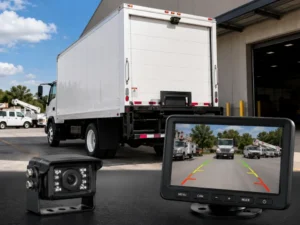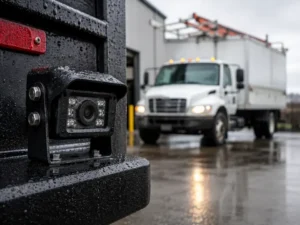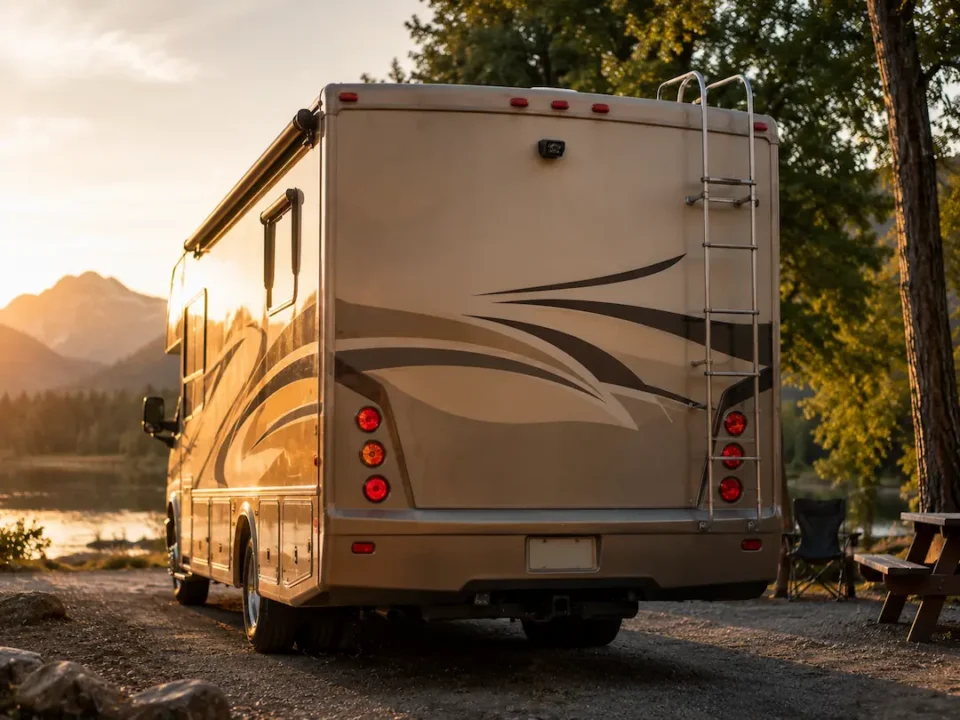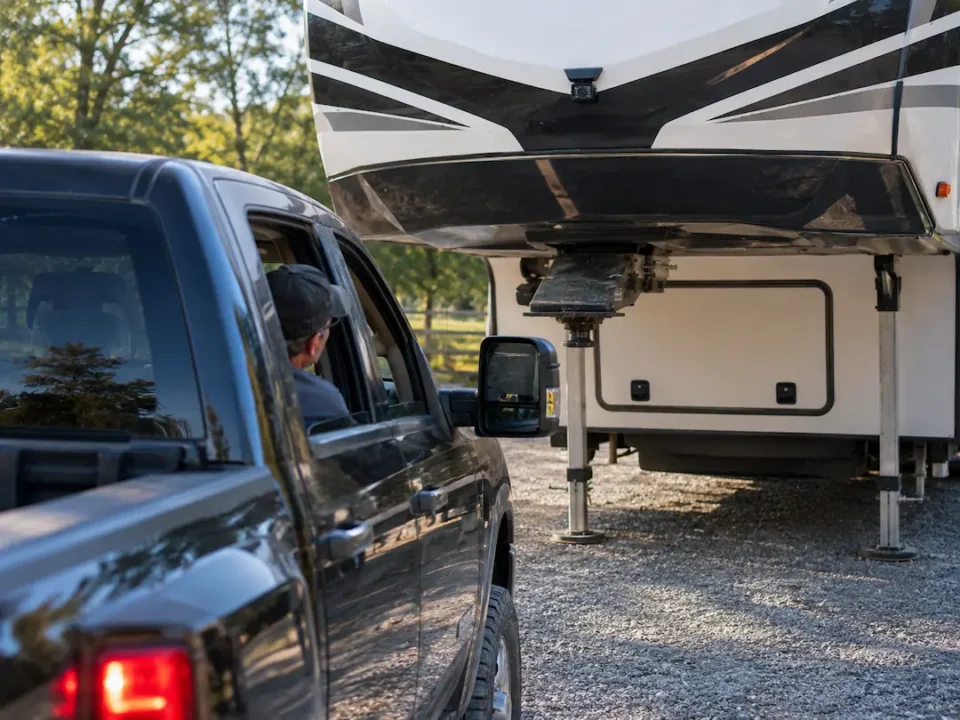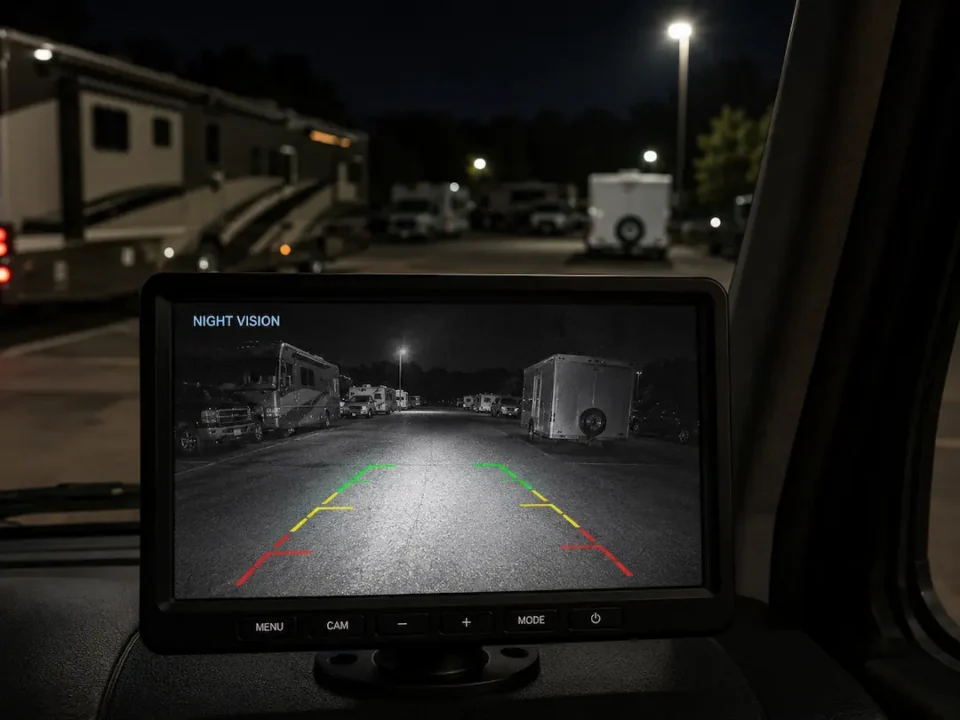
Night brings unique challenges when reversing your vehicle, especially in poorly lit areas where obstacles and pedestrians are hard to see. You rely on clear visibility to park safely, yet darkness limits what your headlights and eyes can detect. Night vision backup cameras enhance your view behind the vehicle, using infrared or low-light technology to reveal objects beyond the reach of standard lighting. A driver in a suburban neighborhood, backing out of a driveway at 9 p.m., might miss a pet or child in dim light. With a night vision system, thermal contrasts and illuminated details make those hazards visible well before contact. You gain confidence in your maneuvers, not just during the day but every time you shift into reverse after sunset.
Key Takeaways:
- Night vision backup cameras use infrared or low-light sensors to deliver clear imagery in darkness, allowing drivers to detect obstacles like curbs, signs, or animals up to 15 feet behind the vehicle, a range that exceeds standard backup sensors.
- Unlike traditional backup cameras that rely on ambient light, night vision models actively illuminate the area with infrared LEDs, making them effective even in total darkness, such as unlit parking lots or rural driveways.
- These systems reduce backing accidents by improving depth perception, particularly in tight spaces where a child, pet, or shopping cart might be hidden just outside the driver’s rearview mirror sightline.
The Problem of the Dark
Darkness transforms a familiar driveway into an obstacle course of shadows and hidden edges. You reverse slowly, straining to see curbs, low-hanging branches, or forgotten garden tools behind your vehicle. Even with overhead lighting, blind spots multiply after sunset, making every movement a calculated risk. A child’s toy, a pet, or a parked bicycle can vanish into the gloom just beyond your taillights.
The Sensor and the Light
Your camera relies on a sensitive image sensor that captures available ambient light, including infrared, to form a clear picture in low visibility. Even in near-total darkness, built-in IR LEDs illuminate the area behind your vehicle with invisible light the sensor can detect. You see a grayscale image on your display, revealing obstacles like curbs, trash cans, or pets that your headlights won’t show. A typical system activates the lights automatically when reverse is engaged, ensuring immediate visibility without manual input. Some models adjust LED intensity based on surrounding light levels, preventing overexposure in dimly lit driveways. This integration of sensor and illumination is what makes nighttime reversing consistently reliable.
Precision in Tight Spaces
Maneuvering into a narrow parking spot at night becomes significantly easier with a night vision backup camera. You see clear, real-time footage of your surroundings, spotting curbs, adjacent vehicles, and obstacles just inches from your bumper. A mid-sized SaaS firm’s delivery van, for example, avoided repeated rear-end damage after installing the system, cutting repair costs and downtime. The enhanced depth perception helps you align the wheels accurately, even when lines are faded or obscured.
Safety for the Pedestrian
Clearer sight means safer sidewalks
Spotting a child chasing a ball behind your vehicle becomes possible when the night vision camera reveals movement beyond what headlights illuminate. You rely on enhanced visibility to detect people near driveways or crosswalks, especially in poorly lit areas. A delivery worker walking close to your bumper at night appears clearly on screen, giving you time to stop. These cameras extend your awareness beyond the reach of standard lighting, reducing the risk of accidents in low-light conditions.
Choosing the Right Lens
Your lens selection directly affects how much of the area behind your vehicle appears in the display. A wide-angle lens, typically between 120 and 170 degrees, minimizes blind spots by capturing a broader view, ideal for tight parking spaces. You’ll find this type commonly used in mid-sized SaaS firm fleet vehicles where precision and spatial awareness are prioritized. Narrower lenses may offer less distortion but restrict your field of view, increasing the risk of missed obstacles.
To wrap up
When parking after dark, your night vision backup camera transforms limited visibility into clear, actionable sight. You rely on real-time imaging to detect obstacles, curbs, or movement behind your vehicle, reducing the risk of collisions. A mid-sized SaaS firm installing these systems in fleet vehicles reported fewer low-speed incidents, proving their practical value. You gain confidence, precision, and safety with every reverse maneuver in darkness.
FAQ
Q: How do night vision backup cameras detect objects in complete darkness?
A: Night vision backup cameras rely on infrared (IR) illumination, which emits light outside the visible spectrum. These cameras are equipped with IR LEDs surrounding the lens that activate automatically in low-light conditions. The sensor captures reflected infrared light, allowing the system to render a clear monochrome image on the display. Unlike standard backup cameras that struggle when ambient light drops, IR-enabled models maintain visibility even in pitch-black environments, such as unlit parking lots or garages without overhead lighting.
Q: Can night vision cameras distinguish between a stationary object and a person behind the vehicle?
A: Modern night vision systems with enhanced resolution and digital processing can often differentiate between shapes and movement patterns. A person standing behind the vehicle typically appears as a vertical, moving form with distinct edges, while a curb or trash can remains static and lower to the ground. Some advanced models integrate motion detection algorithms that highlight moving figures on-screen, improving awareness. For example, a mid-sized SUV equipped with such a system might display a flashing border around a moving pedestrian, even if they are only partially visible in the frame.
Q: Do night vision backup cameras require special maintenance compared to regular backup cameras?
A: Maintenance needs are similar, but the infrared components introduce one key consideration: lens cleanliness. Dust, snow, or road grime on the camera housing can block the IR LEDs or scatter the emitted light, reducing image clarity. A fogged or dirty lens may result in a grainy or washed-out display, especially in humid or rainy conditions. Users should routinely wipe the camera surface with a soft cloth, and in colder climates, ensure ice does not fully cover the unit. No internal adjustments or recalibrations are typically needed under normal use.